
MONOLORD – Di rabbia e di speranza

Seguo i Monolord sin dal loro sorprendente debutto ‘Empress Rising’ del 2014 e, disco dopo disco, ho imparato ad apprezzare i cambiamenti nel loro sound e ad attenderli in ogni release. Ora al quinto album in studio (qui recensito), il trio svedese non delude in quanto a evoluzione, e lo fa mantenendo sempre alto il livello qualitativo di songwriting e potenza sonora. Abbiamo raggiunto il bassista Mika Häkki per saperne di più sull’ultimo ‘Your Time To Shine‘ e toglierci qualche curiosità sull’attuale stato della band. Buona lettura.
(Please scroll down for the ENGLISH version of the interview)
Ciao Mika, benvenuto su Loud and Proud. Com’è nato ‘Your Time To Shine’? È stato influenzato in qualche modo dal lungo periodo pandemico che abbiamo vissuto/stiamo vivendo?
“[Mika Häkki] La pandemia e tutto il tempo libero che ne è derivato ci hanno fornito la possibilità di poterci concentrare completamente sulla scrittura del nuovo album. Abbiamo potuto passare giornate intere in studio, provando e mettendo a punto tutto.”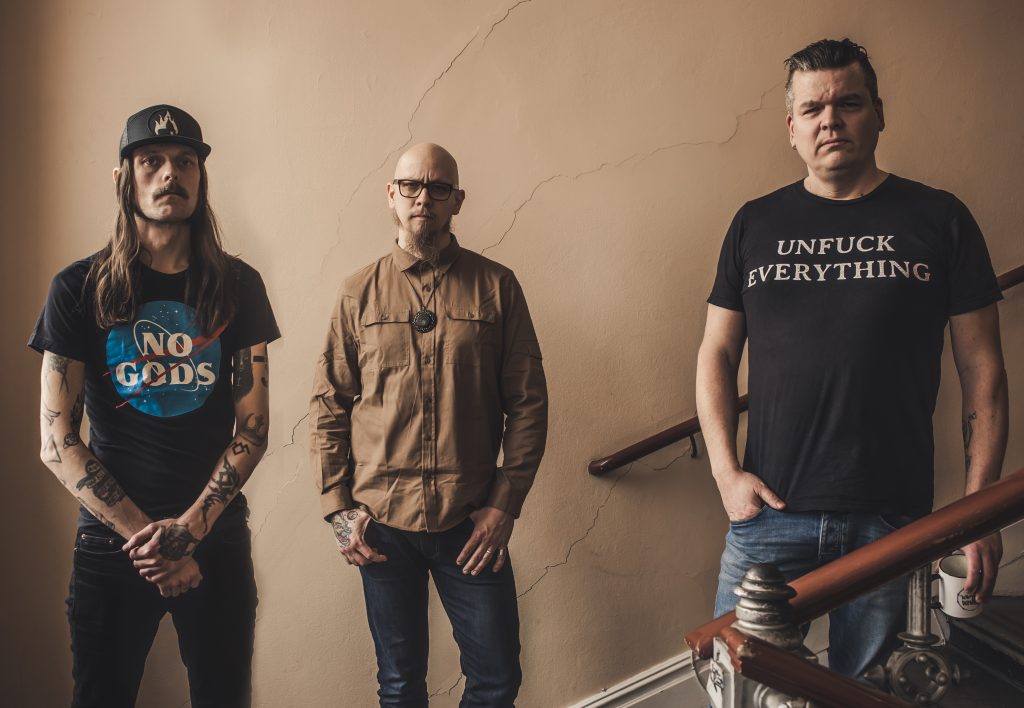
Siete riusciti a spostarvi con successo dal vostro sound iniziale verso quella che sembra essere una versione più introspettiva di voi stessi. Cosa vi ha portato a questa evoluzione?
“Penso che l’evoluzione sia stata costante fin dal primo giorno. Quando metti in fila tutti gli album puoi davvero vedere come le caratteristiche di tutti gli strumenti si siano ampliate e gli aspetti psichedelici abbiano trovato la loro strada nelle canzoni. Dato che la scrittura non si ferma mai, penso che la progressione naturale sia inevitabile. Non andiamo in studio con una idea precisa di cosa verrà creato.”
Come stanno reagendo i fan al nuovo disco?
“Finora abbiamo avuto delle reazioni molto positive da chi ci segue. Abbiamo aspettato a lungo che questo album venisse pubblicato a causa delle lunghe attese per la stampa del vinile. Quando è finalmente giunto il suo momento e tutti hanno potuto ascoltarlo, è stato molto emozionante leggere i commenti a riguardo.”
‘Your Time To Shine’ è stato registrato allo Studio Berserk del vostro batterista Esben Willems. Puoi dirci qualcosa su questa scelta di produzione?
“Il piano iniziale era quello di utilizzare un altro studio, ma quando Esben ha avuto improvvisamente la possibilità di averne uno suo, abbiamo deciso di occuparci noi stessi della registrazione. La stanza in cui abbiamo registrato ha un sound davvero ottimo e la possibilità di controllare tutto da soli ha reso la scelta molto facile. Kalle Lilja, che doveva essere l’ingegnere di registrazione nello studio iniziale, è venuto ad assistere al tracking della batteria. È un nostro buon amico.”
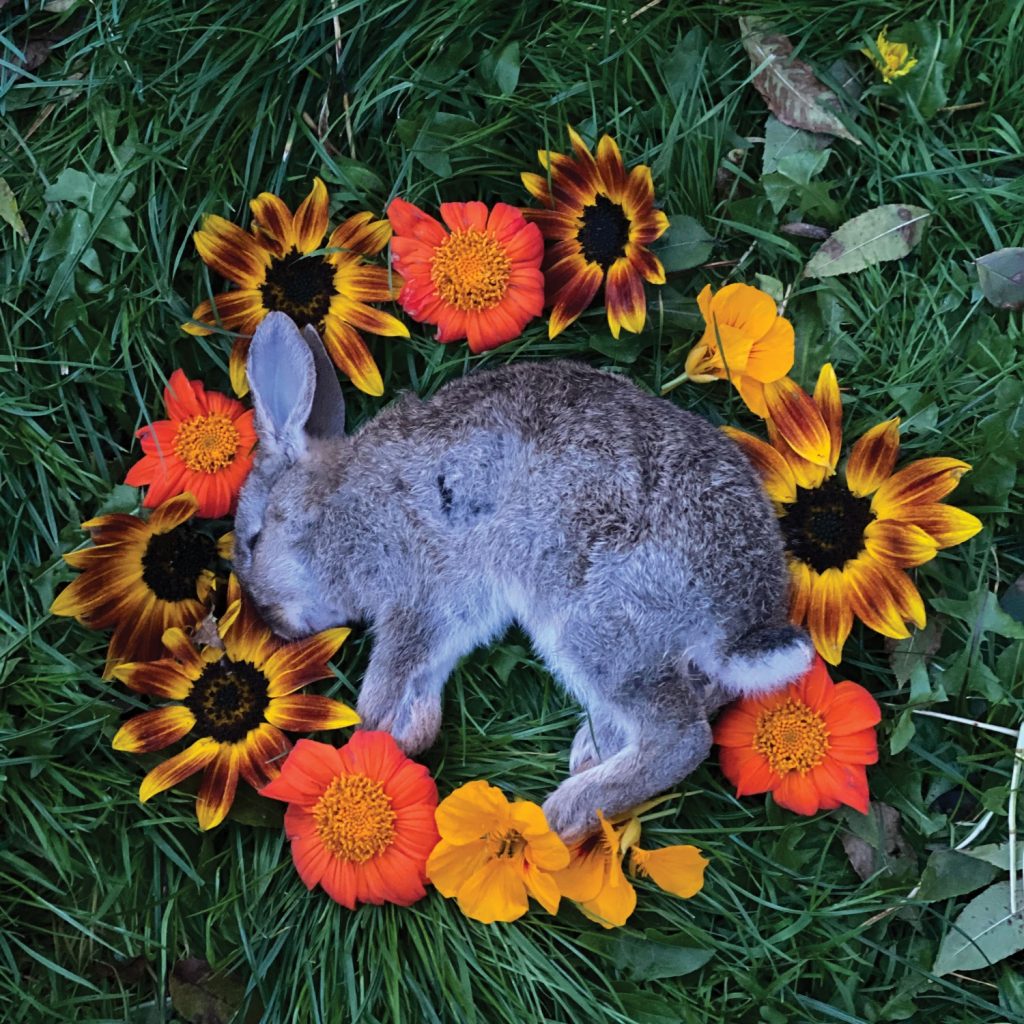
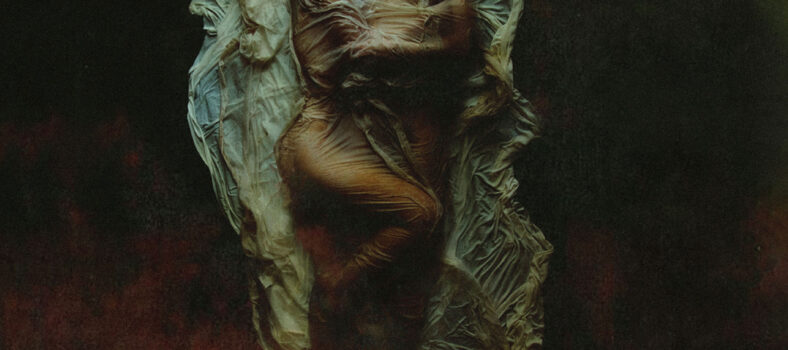
La copertina è abbastanza diversa dalle vostre precedenti uscite. Cosa c’è dietro? Cosa rappresenta il coniglio morto?
“Ci è sempre piaciuto pensare fuori dalle immagini specifiche del genere e siamo sempre alla ricerca di arte e nuovi artisti. L’artwork che abbiamo scelto per la copertina ha avuto il potere di colpire e far riflettere tutti noi tre. C’è così tanta tristezza in essa e allo stesso tempo così tanta bellezza. Penso che lasci molto allo spettatore da leggere e interpretare, senza la necessità da parte nostra di doverne spiegare il significato. È più interessante in questo modo.”
Le canzoni hanno una natura molto oscura nonostante la loro atmosfera eterea. Qual è il messaggio che state cercando di trasmettere a questo punto della vostra carriera?
“La frustrazione di veder bruciare l’intero pianeta a causa dell’egoismo umano e della mancanza di volontà dei politici ci fa girare la testa. E questo si accumula in un bisogno di mettere tutta quella rabbia e frustrazione in un processo creativo. Sento che la nostra generazione e quella che è al potere ora non siano riuscite a prendere decisioni sensate per salvare il clima. Questo ha effetti su tutti noi più di quanto il colpo economico a breve termine lo abbia sui più ricchi del mondo.”
C’è un legame concettuale tra i testi delle cinque tracce?
“Non in modo che si possa combinare il tutto in una storia, ma hanno tutti una buona quantità di misantropia e frustrazione con l’attuale stato del mondo in cui viviamo.”
Pensi che sia ancora possibile essere innovativi in un genere come lo stoner doom? Se sì, come?
“Perché no? Gli unici limiti sono all’interno della tua creatività. Limitarsi a come “dover suonare” e non a come “poter suonare” rende ancora più difficile fare qualcosa di nuovo per te stesso.”
Una domanda per Thomas (V. Jäger, cantante e chitarrista, ndr): quanto è diverso il tuo modo di comporre nei Monolord rispetto al tuo progetto solista (qui recensito)?
“I testi sono più personali rispetto a quelli dei Monolord. E la scrittura inizia di solito con la chitarra acustica.”
Ho letto che anche tu, Mika, stai lavorando al tuo progetto solista. Cosa puoi dirci al riguardo?
“Ho finito di registrare un album recentemente e sto lavorando per farlo uscire presto. È molto diverso da tutto quello che ho fatto con i Monolord. È più una combinazione di folk rock tradizionale e indie pop, ma in un modo molto malinconico.”
Avete appena suonato in Messico e state per andare in tour con le Blackwater Holylight. Cosa vi è mancato di più della vita on the road, nei mesi di pausa forzata?
“Lo scambio di energia tra noi e il pubblico. È la sensazione migliore e poterla provare ogni sera per qualche settimana per volta è sia un onore che un privilegio. Inoltre considero tanti tra quelli che fanno parte delle band in tour con noi e della crew come parte della mia famiglia allargata. Mi sono mancati molto.”
Fin dall’inizio siete sempre stati paragonati ai Black Sabbath. Anche nell’ultimo disco, nonostante l’evoluzione di cui abbiamo parlato sopra, non posso fare a meno di pensare a brani come ‘A National Acrobat’, soprattutto in un pezzo come la opener ‘The Weary’. Come vedi il confronto con una delle più grandi band dell’heavy metal? Ascolti ancora i Black Sabbath?
“Naturalmente è un onore essere paragonati a un nome di questo tipo. Ascolto ancora i Black Sabbath qualche volta anche se non spesso. È più qualcosa che ascoltavo molto durante gli anni della mia formazione, ed è quindi è ancora molto presente nelle mie viscere.”
Le band che ti hanno influenzato di più all’inizio sono quelle che ascolti oggi?
“Alcune di loro sicuramente anche se tutto intorno a noi e dentro noi stessi cambia di continuo. Trovo nuove fonti di ispirazione quasi settimanalmente e spaziano da un genere all’altro o arrivano dall’arte.”
‘Empress Rising’ è stato pubblicato più di 7 anni fa. Quali sensazioni ti riporta quel disco? Faresti qualcosa di diverso se potessi tornare indietro nel tempo?
“Non cambierei nulla di quell’esperienza. L’energia creativa che sentivamo allora era incredibilmente eccitante perché ci eravamo appena riuniti poco tempo prima.”
Discografia:
Empress Rising (2014)
Vænir (2015)
Rust (2017)
No Comfort (2019)
Your Time To Shine (2021)
Line-up:
Thomas V. Jäger – voce, chitarra
Mika Häkki – basso
Esben Willems – batteria
Per maggiori informazioni, qui la pagina Facebook della band.
ENGLISH VERSION
I’ve been following Monolord since their incredible 2014 debut ‘Empress Rising’ and, record after record, I’ve come to appreciate the changes in their sound and look forward to find them in each release. Now at their fifth studio album (reviewed here), the Swedish power trio does not disappoint when it comes to evolution, and it does so by always maintaining a high level of quality in songwriting and impressive sonic power. We caught up with bassist Mika Häkki to find out more about their latest effort ‘Your Time To Shine‘ and about the band’s current status.
Hi Mika, welcome to Loud and Proud Italy. Can you talk to us about the creative process behind ‘Your Time To Shine’? How has the pandemic affected it, if it has?
“The pandemic and all the free time it came with supplied us with the possibility to focus completely on writing the new album. We could really spend whole days in the studio, rehearsing and fine tuning everything.”
You managed to successfully shift from your initial sound towards what appears to be a more introspective version of yourselves. What brought you to this evolution?
“I think the evolution has been constant since day one. When you put all the albums on the line, you can really see how the characteristics of all the instruments have gotten wider and the psychedelic aspects have found their way into the songs. Since the writing never stops, I think the natural progression is inevitable. We don’t go into the studio with a mindset like “Let’s make this kind of album”.”
How are the fans reacting to the new record?
“So far we’ve gotten great response from the fans. We waited a long time for this album to come out because of the long queues for vinyl pressing. So when the record finally popped out and everyone could hear it, it was very emotional to read the comments about it.”
‘Your Time To Shine’ has been recorded by Esben at Studio Berserk. Can you tell us a bit about this production choice?
“We were initially meant to go to another studio to record the album, but since Esben got very suddenly the possibility to take over this studio we decided to do it ourselves. The room we recorded in sounded so great and the possibility to control everything ourselves made the choice very easy. Kalle Lilja, who was supposed to be the engineer at the other studio, came in to assist with the drum recording. He’s a good friend of ours.”
The cover artwork is quite different from your previous releases. What’s behind it? What does the dead bunny represent?
“We’ve always liked to think outside of the genre specific images and we’re always looking for art and artists. This photo was something that stopped all three of us. There’s so much sadness in it, but at the same time so much beauty. I think it leaves a lot for the viewer to read into, without us trying to explain it. It’s more interesting that way.”
The songs have a very dark nature despite their spacey atmosphere. What is the message you are trying to convey at this point of your career?
“The frustration of watching us burn the whole planet because of human selfishness and the lack of will of politicians, make our head spin. And that builds up into a need to put all that anger and frustration into a creative process. It feels like our generation and the one leading right now have failed to make sensible decisions to save the climate. That affects us all more than the short term economic blow for the richest in the world.”
Is there a conceptual link between the lyrics of the five tracks?
“Not in a way that you can combine it all into a story, but they all have a good amount of misanthropy and frustration towards the world we live in.”
Do you think it is still possible to be innovative in a genre like stoner doom? If yes, how?
“Why not? The only boundaries are within your creativity. When you limit yourself into how “you should sound” and not how “you can sound” that makes it that harder to do something new for yourself.”
A question for Thomas: how different is your way of writing in Monolord compared to your solo project?
“The texts are more personal compared to the lyrics in Monolord. And the writing starts with acoustic guitar usually.”
I read that you, Mika, have also been working on a solo project. What can you tell us about it?
“I finished recording an album recently and I’m working on getting it released soon. It’s way different than anything I’ve done with Monolord. It’s more a combination between traditional folk rock and indie pop. But in a very melancholic way.”
You’ve just played a show in Mexico and you’re about to go on tour with Blackwater Holylight. What did you miss most of the touring life, in the months of forced break?
“The exchange of energy between us and the audience. It’s the best. And to get to have that every night for a few weeks per time is both an honour and a privilege. Also so many of my extended family are in touring bands as well as the crew we tour with. I miss all of them very much.”
Since the very beginning, you’ve always been compared to Black Sabbath. Even in the last record, despite the evolution I mentioned above, I can’t help but think of songs like ‘A National Acrobat’, especially in the opener ‘The Weary’. How do you see the comparison with one of the greatest bands of heavy metal? Do you still listen to Black Sabbath often?
“Naturally it’s an honour to be compared to one of the greats. I listen to Black Sabbath sometimes although not very often. It’s more something I used to listen to frequently while growing up. So all that is still sitting very tightly in my gut feeling.”
Are the bands that have influenced you the most at the beginning the ones you listen to nowadays?
“Some of them, sure but that all changes constantly. I find new sources of inspiration almost weekly. And they all vary from genre to genre or art.”
‘Empress Rising’ was published over 7 years ago. What feelings does that record bring back? Would you do anything differently if you could go back in time?
“I wouldn’t change anything in that experience. The creative energy we felt back then was so exciting as we just had come together a short time before. “
Discography:
Empress Rising (2014)
Vænire (2015)
Rust (2017)
No Comfort (2019)
Your Time To Shine (2021)
Line-up:
Thomas V. Jäger – vocals, guitar
Mika Häkki – bass
Esben Willems – drums

Articoli Correlati
 Netgate ADV