
WARNING – Quando scende la notte

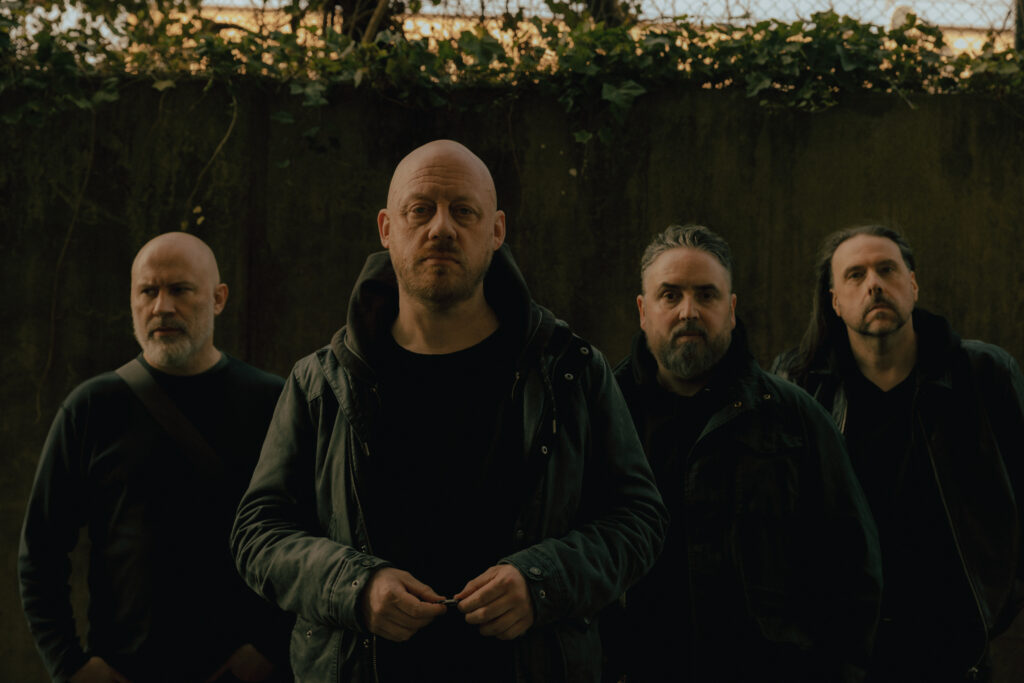
Ci sono album capaci di riportare alla memoria un determinato momento della storia di una band, ma anche di mostrare come il tempo ne abbia trasformato l’identità. Dopo ‘Watching From A Distance’ (2006), Patrick Walker ha continuato a sviluppare con i 40 Watt Sun la propria sensibilità, attraverso album come ‘The Inside Room’ (2011) e, in seguito, il più cantautorale ‘Perfect Light’ (2022). Lungo questo percorso, alcune atmosfere e la componente heavy sono progressivamente sfumate, lasciando spazio a nuove forme espressive. Nel frattempo, i Warning sono passati dall’essere una band seguita da un ristretto numero di appassionati a una tra le più influenti della scena doom. Alcuni lavori recenti dei 40 Watt Sun sembravano rendere improbabile un ritorno a sonorità heavy, ma già in ‘Little Weight’ (2024) erano emersi alcuni segnali in questa direzione. Pubblicato da Relapse in concomitanza con il ventesimo anniversario di ‘Watching From A Distance’, ‘Rituals Of Shame’ diventa l’occasione per questa conversazione con Patrick Walker, cantante, chitarrista e compositore della band inglese.
SCROLL DOWN FOR ENGLISH VERSION
Dato che ‘Rituals Of Shame’ è il primo album registrato con una formazione ampliata, mi incuriosisce sapere in che modo l’aggiunta di un secondo chitarrista abbia influenzato la dinamica della band dal vivo e il processo di registrazione. Ha modificato il tuo approccio agli arrangiamenti o il modo in cui li immaginavi durante la fase di composizione?
“(Patrick Walker) Questa è una buona domanda e qualcosa su cui non avevo mai riflettuto consapevolmente. Ho aggiunto la seconda chitarra dieci anni fa, quando ho iniziato a pianificare le date dal vivo di ‘Watching From A Distance’, e ho ricominciato a scrivere solo l’anno scorso. Credo che la risposta più onesta alla tua domanda sia che immagino e compongo musica sempre in funzione dell’album, mentre il modo in cui suonerà in un contesto live è qualcosa di cui mi preoccupo dopo. Questo però non ha influito sulle dinamiche in studio: mi sono occupato di tutte le chitarre ritmiche e ho affidato a Wayne Taylor le parti soliste.”
Dopo aver trascorso tanti anni a scrivere principalmente per i 40 Watt Sun, tornare ai Warning e poi comporre ‘Rituals Of Shame’ ha cambiato il modo in cui concepisci la chitarra stessa quale strumento per la composizione?
“No, non credo. Non vedo davvero molta differenza tra le due band. Per me, una canzone è una canzone. Questi brani sono costruiti in modo più marcato attorno ai riff, mentre i 40 Watt Sun suppongo siano più costruiti sugli accordi, ma il processo creativo resta il medesimo. Penso che suonino tutte come canzoni mie e che, molto probabilmente, presentino gli stessi tratti distintivi.”
Per gran parte della tua carriera, i brani sembrano essersi sviluppati lentamente, a volte nel corso di diversi anni. Al contrario, ‘Little Weight’ e ‘Rituals Of Shame’ sono stati scritti in un arco di tempo decisamente più breve. Questo ha influito sul tuo rapporto con quei brani? Che cosa è cambiato, dal punto di vista creativo? Quanto è diverso registrare qualcosa che ha fatto parte della tua vita per anni rispetto a qualcosa che ha preso forma nel giro di poche settimane o mesi?
“L’ideale è riuscire a catturare una canzone quando è ancora fresca, e registrarla mentre l’urgenza e l’ispirazione sono ancora vive. La verità è che la maggior parte delle mie canzoni ha preso forma relativamente in fretta: ho semplicemente trascorso gran parte della mia vita ad aspettare la musa invece di inseguirla, da cui il lungo intervallo tra alcuni dei primi album. Probabilmente, le canzoni che mi hanno richiesto un anno o più per essere scritte potrei contarle sulle dita di una mano.”
In ‘Rituals Of Shame’ sento un legame particolare con brani come ‘Night Comes Down’ e ‘Teacher’. Entrambi sono pervasi da un senso di malinconia, ma anche da una leggerezza che trovo toccante. Puoi raccontarci come hanno preso forma questi brani, dal punto di vista musicale o altro? Che cosa significano per te nel contesto dell’album?
“Le canzoni di questo disco non sono nate una alla volta – nell’arco di tre mesi sono passato continuamente dall’una all’altra, aggiungendo, togliendo, modificando e affinandone gli elementi. Penso che ‘Teacher’ sia nata dalla melodia vocale della strofa e dai suoi accordi. Inoltre, avevo in testa fin dall’inizio la frase ‘time will turn to me’. Non so da dove sia venuta fuori, ma continuava a tornarmi in mente e l’ho inseguita per dare forma alla canzone. ‘Night Comes Down’ è nata con quel riff di chitarra che suono nel breakdown dopo il primo ritornello, e da lì ho immaginato la canzone che poi ho costruito intorno a quel riff. Tuttavia, non credo di aver mai parlato davvero del mio processo di composizione prima d’ora e, d’istinto, temo un po’ che, se ci rifletto o ne parlo troppo, finirò per perdere quella componente di intuizione.”
In altre interviste hai detto che il materiale di ‘Rituals Of Shame’ ti è sembrato fin da subito quasi naturalmente più adatto ai Warning che ai 40 Watt Sun. Mi chiedo in che modo questa sintonia si sia manifestata durante il processo di scrittura: in termini di energia, arrangiamenti o, più in generale, di approccio ai brani.
“Sinceramente, non ha fatto alcuna differenza. O almeno nessuna di cui sia consapevole. Volevo semplicemente scrivere le migliori canzoni che potessi.”
Considerando ‘Rituals Of Shame’ nel suo insieme, ci sono state idee particolari, in termini di struttura, dinamica o arrangiamento, dalle quali hai scelto consapevolmente di prendere le distanze rispetto agli album precedenti dei Warning?
“Beh, sono in grado di individuare i limiti dei miei lavori precedenti e di capire come migliorare e come articolare meglio ciò che voglio esprimere, ma è così per ogni disco che faccio.”
Guardando ai lavori precedenti, a volte hai parlato apertamente del tuo rapporto con i testi. Nel corso del tempo il tuo approccio al lavoro sulle parole è cambiato anche in risposta a questo, e oggi ti trovi a perfezionare consapevolmente alcuni aspetti del tuo stile lirico oppure a evitarne alcune tendenze?
“Cerco di non pensarci tanto quanto facevo in passato. Mi fido di più del mio istinto e credo di aver imparato a non mettere in dubbio le mie scelte. E se qualcosa ha senso per me, allora basta.”
Molti dei tuoi brani sembrano riuscire a mantenere la propria identità sia quando eseguiti in versione acustica che con una band al completo. Anche canzoni tratte da album come ‘The Inside Room’ risultano estremamente naturali quando ridotte alla sola voce e chitarra. È qualcosa a cui cerchi consapevolmente di puntare durante il processo di composizione, oppure è semplicemente una conseguenza del modo in cui immagini i brani?
“Penso sia il risultato del mio stile di composizione e probabilmente delle mie prime influenze, che sono più radicate nella musica cantautorale che non in quella heavy.”
Ho sempre avuto la sensazione che con il passare degli anni alcuni brani rivelino sfumature differenti tanto per chi li ascolta quanto per la persona che li ha scritti. Alcune delle tue canzoni, ‘How Can It Happen?’, ‘Faces’, ‘Take Me In’, ‘Another Room’, ‘Closure’ e ‘Half A World Away’ mi hanno accompagnato a lungo. Ripensando oggi a queste canzoni, ce n’è qualcuna che senti ancora particolarmente vicina, o che oggi vedi in modo diverso rispetto a quando le hai composte?
“Nel bene e nel male, tutte le mie canzoni mi riportano a persone o luoghi e credo di provare un senso di vicinanza a tutto ciò che ho scritto e registrato negli ultimi vent’anni circa.”
C’è una canzone in particolare che mi ha accompagnato nel corso degli anni: ‘Faces’. Ancora oggi la associo a un periodo della mia vita in cui ogni mattina percorrevo in bicicletta venti chilometri per raggiungere un lavoro che non amavo. Anche ora, ogni volta che la ascolto, mi tornano in mente le strade e le sensazioni di quel periodo. Ti ha mai sorpreso il modo in cui gli ascoltatori associano le tue canzoni a momenti della loro vita? Questa consapevolezza influisce sul modo in cui ripensi alle tue canzoni?
“Non sono mai rimasto sorpreso dal modo in cui gli ascoltatori associano le mie canzoni a momenti della loro vita, perché anche io collego le canzoni a momenti o luoghi della mia vita. Può essere una cosa profondamente commovente o significativa e quindi nulla mi sorprenderebbe. Nel corso degli anni, le persone hanno condiviso con me alcune storie dolorosamente intime, associando le mie canzoni alle loro esperienze personali, e ne sono semplicemente molto grato.”
I Revelation sono stati spesso citati come una delle influenze più importanti sulla tua musica. Ripensando ai tuoi anni di formazione come ascoltatore, come hai scoperto per la prima volta il doom metal, e che cosa ti comunicava quella musica? Ci sono album di quel periodo che ancora oggi hanno un significato particolare per te?
“Aveva una profondità emotiva, un respiro e una serietà di intenti che non avevo mai incontrato prima nella musica heavy. Conoscevo il primo album dei Cathedral, ma fu solo quando ascoltai il primo capitolo della compilation ‘Dark Passages’ che tutto iniziò ad avere senso, perché riuscii a contestualizzarlo.”
Quando ci siamo incontrati molti anni fa, mi avevi consigliato il testo teatrale ‘Judgement’ di Barry Collins e ricordo che avevamo parlato anche di ‘East’ di Steven Berkoff. Mi chiedo se il teatro abbia ancora un ruolo nella tua vita. Più in generale, quali libri, opere teatrali o autori apprezzi maggiormente oggi? Ce n’è qualcuno che abbia influenzato in anni recenti il tuo modo di pensare o il tuo lavoro creativo?
“Oh sì. Non riesco più a ricordare come sia venuto a conoscenza per la prima volta di quel testo di Barry Collins. Credo sia stato leggendo i ‘Diaries’ di Peter Hall. Ma putroppo no, ora vivo lontano da Londra, nel Sud-Ovest dell’Inghilterra e, anche se lo volessi, non potrei davvero più permettermi di andare spesso a teatro. Sono sicuro che un buon numero di scrittori abbia influenzato il mio lavoro, consciamente o meno. Ma questa sarebbe un’altra conversazione, e pìù lunga. Ma, a dire il vero, i miei gusti di lettura sono perlopiù rimasti gli stessi di sempre. Probabilmente ho una mente ossessiva e monotematica.”
Nel corso degli anni, molti degli artisti che hai citato nelle interviste mi hanno portato verso ascolti che probabilmente non avrei mai scoperto da solo, da Sun Kil Moon a Baby Dee. L’ultima volta che ti ho visto dal vivo, hai anche suonato ‘Ten Thousand Miles’ di June Tabor. Quali sono le qualità che oggi apprezzi maggiormente nella musica? Ci sono musicisti il cui modo di esprimere le emozioni senti particolarmente affine al tuo?
“Non so davvero quale sia il mio approccio nell’esprimere le emozioni. Ancora una volta, questa è una cosa a cui cerco di non pensare, soprattutto nel contesto di altri artisti. Non vorrei essere influenzato da nessun altro. Credo di essere più interessato al mestiere della composizione delle canzoni, perché è ciò che sostiene il peso emotivo. Cerco di identificare il mestiere o la tecnica in modo così approfondito che non saprei da dove cominciare, ma è qualcosa che trovo affascinante. Immagino che gran parte di ciò avrebbe poco in comune, in maniera riconoscibile, con quello che faccio.”
Ti ringrazio per il tempo che hai dedicato alle mie domande. Puoi concludere l’intervista come preferisci.
“Non ho nulla da aggiungere. Grazie per le tue domande ponderate, Samuele, e grazie per la tua attenzione alla mia musica.”
ENGLISH VERSION
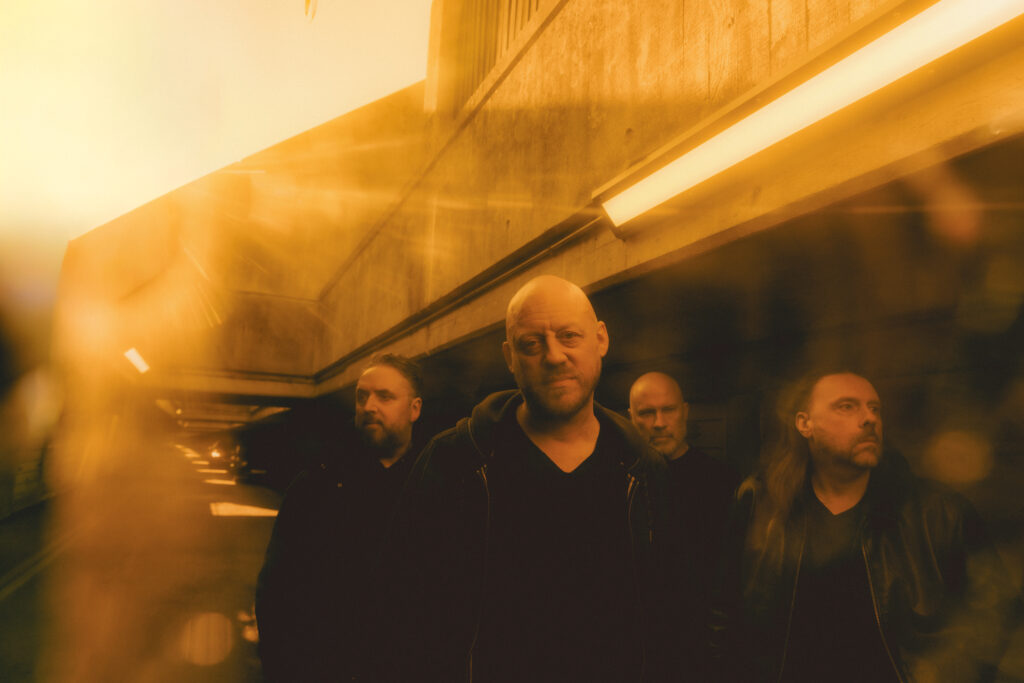
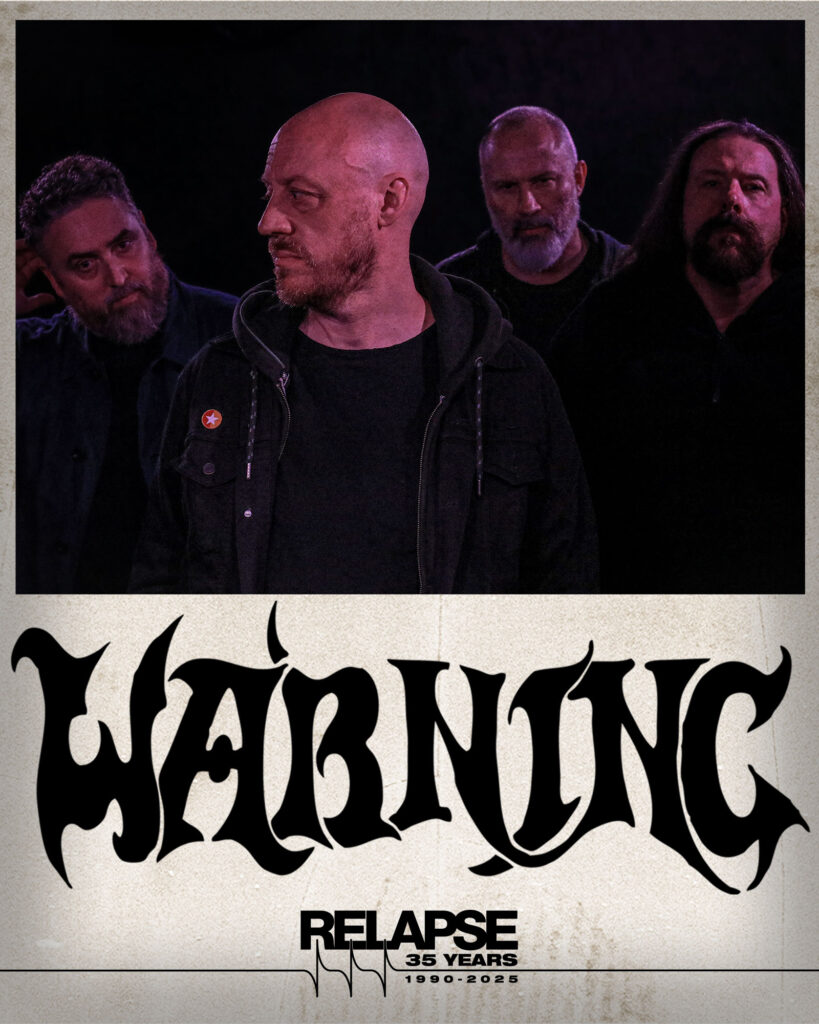
Some albums can bring back a specific moment in a band’s history, while also revealing how time has reshaped its identity. After ‘Watching From A Distance’ (2006), Patrick Walker continued to develop his own sensibility with 40 Watt Sun, through albums such as ‘The Inside Room’ (2011) and, later, the more singer-songwriter-oriented ‘Perfect Light’ (2022). Along this path, certain atmospheres and heavier elements gradually faded from his music, making room for new forms of expression. In the meantime, Warning evolved from being a band followed by a small group of dedicated listeners into one of the most influential acts in the doom scene. Some of 40 Watt Sun’s most recent releases seemed to suggest that a return to heavier sounds was unlikely, but ‘Little Weight’ (2024) had already shown some signs in that direction. Released by Relapse to coincide with the twentieth anniversary of ‘Watching From A Distance’, ‘Rituals Of Shame’ becomes the occasion for this conversation with Patrick Walker, the band’s vocalist, guitarist and songwriter.
Editorial note: For the English version of this interview, we have retained the emphasis Patrick Walker placed on a few words in his original answers. As musicians’ replies on Loud and Proud are usually formatted in bold italics, the words he highlighted have been set in italics only, rather than bold italics, to reflect his intended emphasis.
As ‘Rituals Of Shame’ is the first album recorded with an expanded line-up, I’m curious about how adding a second guitarist affected both the live dynamic and the recording process. Did it change the way you approached arranging the songs, or even the way you imagined them while writing?
“(Patrick Walker) That’s a good question and something I’ve not consciously thought about. I added the second guitar ten years ago when I began planning the ‘Watching from a Distance’ live shows, and only began writing again last year. I think the most honest answer to your question would be to say that the way I imagine and write music is always for the record, and how it will work in a live setting is something I’ll worry about later. It didn’t affect studio dynamics though – I took care of all rhythm guitars, and I gave Wayne Taylor the lead parts.”
After spending so many years primarily writing for 40 Watt Sun, did returning to Warning and eventually writing ‘Rituals Of Shame’ change the way you thought about the guitar itself as a songwriting tool?
“No, I don’t think it did. I really don’t see much difference between the two bands. A song is a song to my mind. These songs are more heavily built upon riffs, and 40 Watt Sun is, I suppose, more chord-based, but the craft remains the same. I think they all sound like my songs and most probably bear the same hallmarks.”
For much of your career, songs seem to have developed slowly, sometimes over several years. By contrast, both ‘Little Weight’ and ‘Rituals Of Shame’ were written within a much shorter period of time. Did that affect your relationship with the songs? What did that change for you creatively? How different is it to record something that has lived with you for years, compared to something that came together in a matter of weeks or months?
“Really, the ideal is to capture a song while it’s fresh, and to have the urgency and inspiration very much alive when you record it. The truth is that most of my songs have come together relatively quickly – I’ve just spent a lot of my life waiting for the muse rather than chasing it, hence the long gap between some of my earlier records. The songs that have taken me a year or more to write, I could probably count on the fingers of one hand.”
On ‘Rituals Of Shame’, I particularly connect with songs such as ‘Night Comes Down’ and ‘Teacher’. Both carry a sense of melancholy, but also a certain lightness that I find very moving. Could you tell us a little about how these songs came together, musically or otherwise, and what they mean to you within the context of the album?
“The songs on this record weren’t created one at a time – I moved back and forth between all five, adding things, taking things away, changing, and refining over three months. ‘Teacher’, I think, began with the verse’s vocal melody and its chords. I also had its lyrical refrain ‘time will turn to me’ from the beginning. I don’t know where that came from, but that was the thing which haunted me and became the thing I pursued in order to make that song. ‘Night Comes Down’ began with that guitar riff which I play in the breakdown after the first chorus, and I imagined the song that I went on to build around it. However, I don’t think I’ve ever really talked about my songwriting process before, and I’m instinctively a little worried that if I think or speak about it too much, I’ll lose something that’s intuitive.”
You’ve mentioned in other interviews that the material for ‘Rituals of Shame’ naturally felt more suited to Warning than to 40 Watt Sun. I was wondering how that sense of alignment manifested during the writing process – in terms of energy, arrangement, or overall approach to the songs.
“It honestly made no difference. At least none that I’m conscious of. I just wanted to write the best songs that I could.”
Looking at ‘Rituals of Shame’ as a whole, were there any particular ideas in terms of structure, dynamics or arrangement that you consciously stepped away from compared to your earlier records as Warning?
“Well I’m able to identify shortcomings in my earlier work and know how to improve and to better articulate what I want to express, but this is the same with any record I make.”
Looking back at your earlier work, you’ve sometimes spoken quite openly about your relationship with lyrics. Has your approach to writing words changed over time in response to that, and do you find yourself consciously refining or avoiding certain tendencies in your lyrical style today?
“I try to not think about them so much as I used to. I trust my instincts more, and I think I’ve learned to not second-guess myself. And if something makes sense to me, then that’s enough.”
Many of your songs seem able to retain their character whether they are played acoustically or with a full band. Even songs from albums such as ‘The Inside Room’ feel remarkably natural when stripped back to voice and guitar. Is that something you consciously strive for when writing, or is it simply a by-product of the way the songs are imagined?
“I think it’s a byproduct of my writing style and probably my initial influences, which are largely rooted in songwriter music more so than heavy music.”
I’ve always felt that certain songs reveal different things as the years pass, both for the listener and for the person who wrote them. Some of your songs have stayed with me for a very long time, including ‘How Can It Happen?’, ‘Faces’, ‘Take Me In’, ‘Another Room’, ‘Closure’ and ‘Half A World Away’. Looking back at them now, are there any among these that still feel particularly close to you, or that you see differently today than when you first wrote them?
“All of my songs take me back to people or places, for better or for worse, and I guess I feel a closeness to everything I’ve written and recorded over the past twenty years or so.”
There is one song in particular that has stayed with me over the years: ‘Faces’. I still associate it with a particular period of my life, when I used to cycle twenty kilometres every morning to a job I disliked. Even now, whenever I hear it, I remember the roads, the crossroads and the feelings of that time. Have you ever been surprised by the way listeners connect your songs to moments in their own lives? And does knowing that have an impact on the way you think about those songs?
“I haven’t, because I also connect songs to moments or places in my own life. It can be a profoundly moving or meaningful thing, and so nothing would surprise me. Over the years, people have shared with me some painfully intimate things relating my songs to their own experiences, and I’m just very grateful for that.”
Revelation has often been cited as one of the most important influences on your music. Thinking back to your younger years, how did you first discover doom metal, and what was it about that music that spoke to you? Are there any albums from that period that still feel meaningful to you today?
“It had an emotional depth, a kind of space, and a seriousness of purpose which I hadn’t encountered in heavy music before. I knew the first Cathedral album, but it wasn’t until I heard that first ‘Dark Passages’ record that it really made sense, because I saw it within a context.”
When we met many years ago, you recommended Barry Collins’ play ‘Judgement’, and I remember we also spoke about Steven Berkoff’s ‘East’. I was wondering whether theatre still plays a role in your life. More broadly, what kinds of books, plays or writers do you find yourself drawn to these days, and have any of them influenced your thinking or creative work in recent years?
“Oh yes. I can’t quite remember now how I first came across that Barry Collins play. I think it may have been from reading Peter Hall’s ‘Diaries’. But unfortunately no, I live far from London these days in the South West of England, and I couldn’t really afford to go to the theatre very much any more even if I wanted to. I’m sure a good number of writers have influenced my work, whether subconsciously or otherwise. That would be another, longer conversation to have. But my reading tastes are largely as they’ve always been, to be honest. I’ve probably got quite an obsessive, one-track mind.”
Over the years, many of the artists you have mentioned in interviews have led me to music I might never have discovered on my own, from Sun Kil Moon to Baby Dee. The last time I saw you perform, you also played ‘Ten Thousand Miles’ by June Tabor. What qualities do you find yourself valuing most in music nowadays? Are there musicians whose approach to emotional expression feels particularly close to your own?
“I don’t really know what my approach to emotional expression is. Again, this is something I try to not think about, and particularly in the context of other artists. I wouldn’t want to be influenced by anyone else. I think I’m more interested in the craft of songmaking, since this is the thing that carries the emotional weight. I try to identify the craft or the technique in so much that I wouldn’t know where to begin, but it’s fascinating to me. I imagine that much of it would have little that is identifiably in common with what I do.”
Thank you for the time you have spent answering my questions. You may close the interview as you like.
“I’ve nothing to add. Thanks for your thoughtful questions, Samuele, and thanks for your kind attention to my music.”
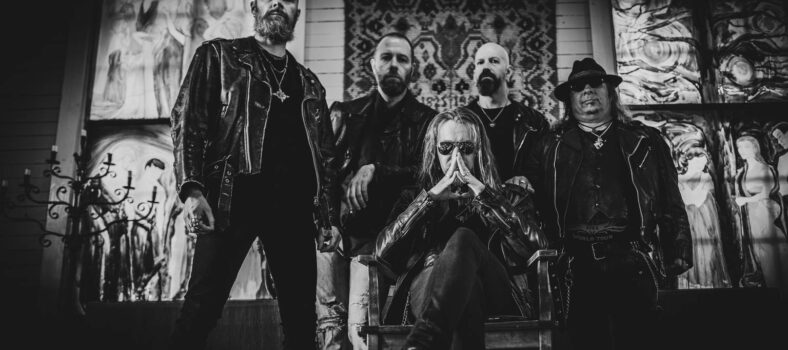
Line-up:
Patrick Walker – voce, chitarra
Wayne Taylor – chitarra
Marcus Hatfield – basso
Andy Prestidge – batteria
Discografia:
The Strength To Dream (1999)
Watching From A Distance (2006)
Rituals Of Shame (2026)
Per maggiori informazioni, qui la pagina Facebook della band.

Articoli Correlati
 Netgate ADV