
VOID ROT – La paura dell’ignoto

Arriva da Minneapolis, Minnesota, il quartetto dei Void Rot, da poco affacciatosi sul panorama metal mondiale con il full length di debutto intitolato ‘Descending Pillars‘ (qui recensito). L’opera prima degli americani, che segue un EP del 2018 e un più recente split con gli Atavisma di qualche mese fa, è un viaggio cupo e decadente tra sonorità death/doom e paesaggi sonori desolati, viaggio che ci conquistato e incuriosito tanto da raggiungere il chitarrista e cantante JH per una chiacchierata. Buona lettura.
SCROLL DOWN FOR ENGLISH VERSION
Prima di tutto, visto che la vostra sede è Minneapolis, l’epicentro delle rivolte e delle proteste che si sono poi diffuse in tutto il mondo dopo l’uccisione di George Floyd, mi viene naturale iniziare quest’intervista con qualcosa di non relativo alla musica. Qual è il tuo pensiero a riguardo?
(JH) “Penso che la musica e la release di un album diventino davvero insignificanti di fronte all’omicidio e alla palese brutalità della polizia, soprattutto nei confronti delle comunità sistematicamente oppresse.”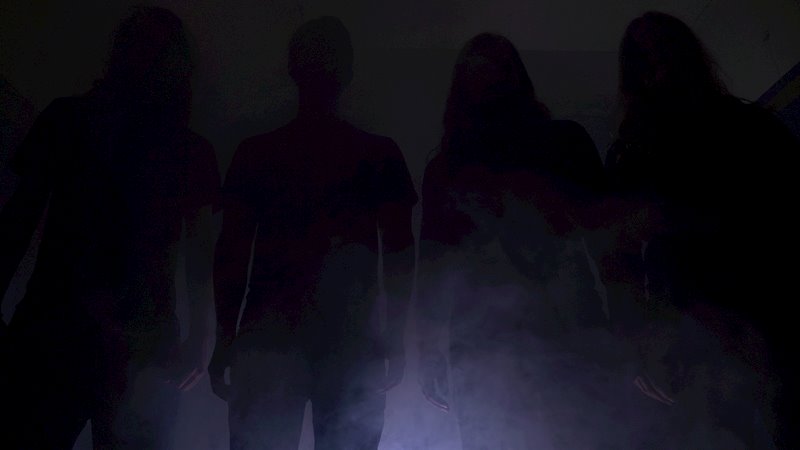
Ovviamente, a parte le proteste, siamo ancora nel bel mezzo di una pandemia. Come vi ha colpito personalmente e in che modo ha toccato la band?
“Penso che a tutti noi manchino i concerti – sia esibirci che partecipare come pubblico, ma avere questo disco su cui concentrarsi ci ha aiutato molto. Di recente abbiamo ricominciato a provare e la pausa è stata utile a far nascere e fermentare le idee nel subconscio. Onestamente, prendersi il tempo per una riflessione personale è stato un bene, così da potersi fermare a osservare i problemi del mondo e come si relazionano con te, o cercare di comprendere le posizioni di privilegio che si hanno e come poterle usarle per aiutare coloro che sono sottorappresentati, oppure fare volontariato, ecc.”
‘Descending Pillars’ è il vostro album di debutto e arriva dopo due anni dall’EP ‘Consumed By Oblivion’ e il più recente split con gli Atavisma. Come siete arrivati a questo disco?
“Dopo aver finito ‘Consumed By Oblivion’ è stato naturale per noi iniziare a scrivere musica con l’obiettivo di sviluppare idee per un album completo. Alcune di queste si sono evolute nelle canzoni dello split con gli Atavisma e penso che questo abbia davvero aiutato ad affinare le nostre capacità di songwriting. Lo split è stato un’ottima occasione tra un’uscita e l’altra per raggiungere la gente con dei concetti solidi, ma anche come un modo per resettare e dire “Ok, ora diamoci da fare sul serio”. Dopo che abbiamo registrato le tracce per la collaborazione con gli Atavisma, i brani che si sono trasformati in ‘Descending Pillars’ sono venuti fuori in modo abbastanza organico. Una delle cose di cui sono più orgoglioso è la nostra crescita da ‘Consumed By Oblivion’ a oggi passando per quello split.”
Che tipo di temi e concetti si possono trovare nei vostri testi e nella vostra musica? Da dove arriva la tua ispirazione?
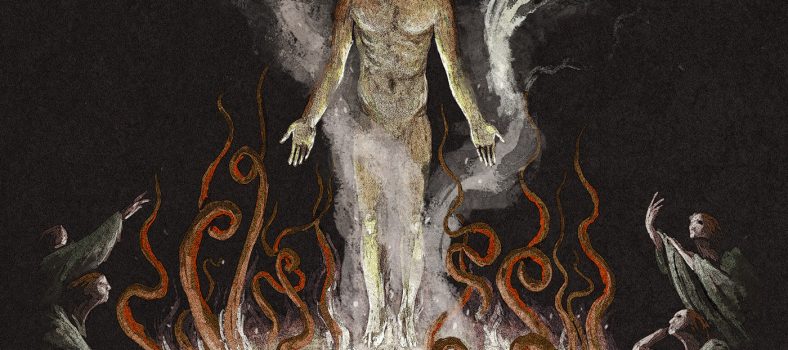
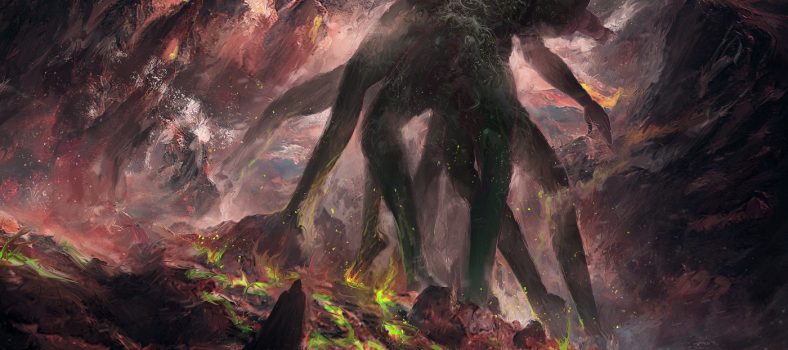
“Un senso generale di terrore e paura dell’ignoto – penso che sia comune a tutti, in una certa misura. Ovviamente Lovecraft è fortemente associato a quello, ma anche i classici dell’horror moderno come ‘The Thing’ sono fonte di ispirazione. ‘2001: Odissea Nello Spazio’, ‘Dune’ – tutti i classici della fantascienza. Parlando di Carpenter, ho trovato anche un racconto breve chiamato ‘The Things’ di Peter Watts che è fondamentalmente una rivisitazione di ‘The Thing’, ma dal punto di vista della Cosa stessa. Un concetto interessante che mi ha davvero ispirato per ‘Monolith’, l’ultima traccia di ‘Descending Pillars’. L’album tratta in generale di un gigantesco monolito che scatena il caos sulla terra, il disfacimento, la distruzione, mentre il brano ‘Monolith’, analogamente al racconto di Watts, è dal punto di vista del monolito stesso.”
Com’è stato accolto l’album finora?
“Davvero bene! Abbiamo ricevuto molti elogi per ‘Descending Pillars’ e siamo molto onorati di questa reazione. Non è in alcun modo un disco perfetto, né una ridefinizione del genere death/doom, ma sono molto contento di questo full length come debutto dei Void Rot a pieno titolo. Gli EP e gli split sono fantastici, ma alla fine è l’album completo che interessa alla gente, e come opera prima, ne sono davvero orgoglioso. È un ottimo inizio e non vediamo l’ora di progredire partendo da qui.”
Com’è nato il legame con l’etichetta italiana Everlasting Spew?
“È successo tutto grazie a Tito (Vespasiani, A&R per Everlasting Spew, ndr). Credo che ormai, se ti piace il metal e sei da qualche parte su internet, devi per forza aver conosciuto Tito! Per la pubblicazione di ‘Consumed By Oblivion’, in realtà, stavamo lavorando con Sentient Ruin e Mattia stava cercando un partner per la release in Europa. Nel frattempo avevo messo per sbaglio l’album su Bandcamp e, ovviamente, Tito l’ha trovato 5 minuti dopo. Da lì abbiamo parlato e il resto è storia.”
In termini di produzione musicale, che tipo di scelte avete fatto in questa occasione?
“Beh, la parte più importante è stata quella di affidarsi ad Adam Tucker della Signaturetone Recording per catturare il nostro sound nel modo più naturale possibile. Molta della produzione metal moderna è un 5150 generico con un microfono SM57, ma non è così per noi. Quello che si sente sul disco è quello che si sentirebbe a un concerto. Damian Herring della Subterranean Watchtower si è occupato del mastering – ancora non so che tipo di magia nera sia il mastering – e ha fatto davvero un ottimo lavoro.”
Il vostro sound non nasconde l’influenza di gruppi come Krypts e Spectral Voice, band abbastanza recenti. Cosa ascoltavi all’inizio del tuo percorso musicale?
“Sì, sia i Krypt che gli Spectral Voice sono grandi influenze, non lo si può nascondere. Ma non si può arrivare a quelle senza passare per diSEMBOWELMENT, Winter, Rippikoulu, Hooded Menace, Thergothon… Sono un grande fan della scena death metal finlandese, quindi, anche se non necessariamente nei nostri riff, la produzione e il suono spessi e heavy sono qualcosa che cerchiamo di emulare.”
Dato che tutti gli spettacoli e i festival sono stati cancellati per il prossimo futuro, avete in programma di trasmettere uno show in streaming per promuovere la nuova uscita?
“Recentemente abbiamo fatto un live streaming con Cvlt Nation e la risposta è stata davvero buona! Speriamo di riuscire a fare qualcosa di simile a un “album release show” in cui magari suoniamo ‘Descending Pillars’ dalla prima all’ultima traccia, o lo pre-registriamo e aggiungiamo qualche effetto video… Rimanete sintonizzati!”
C’è qualcos’altro che vorresti aggiungere per i lettori di Loud and Proud?
“Grazie per il supporto!”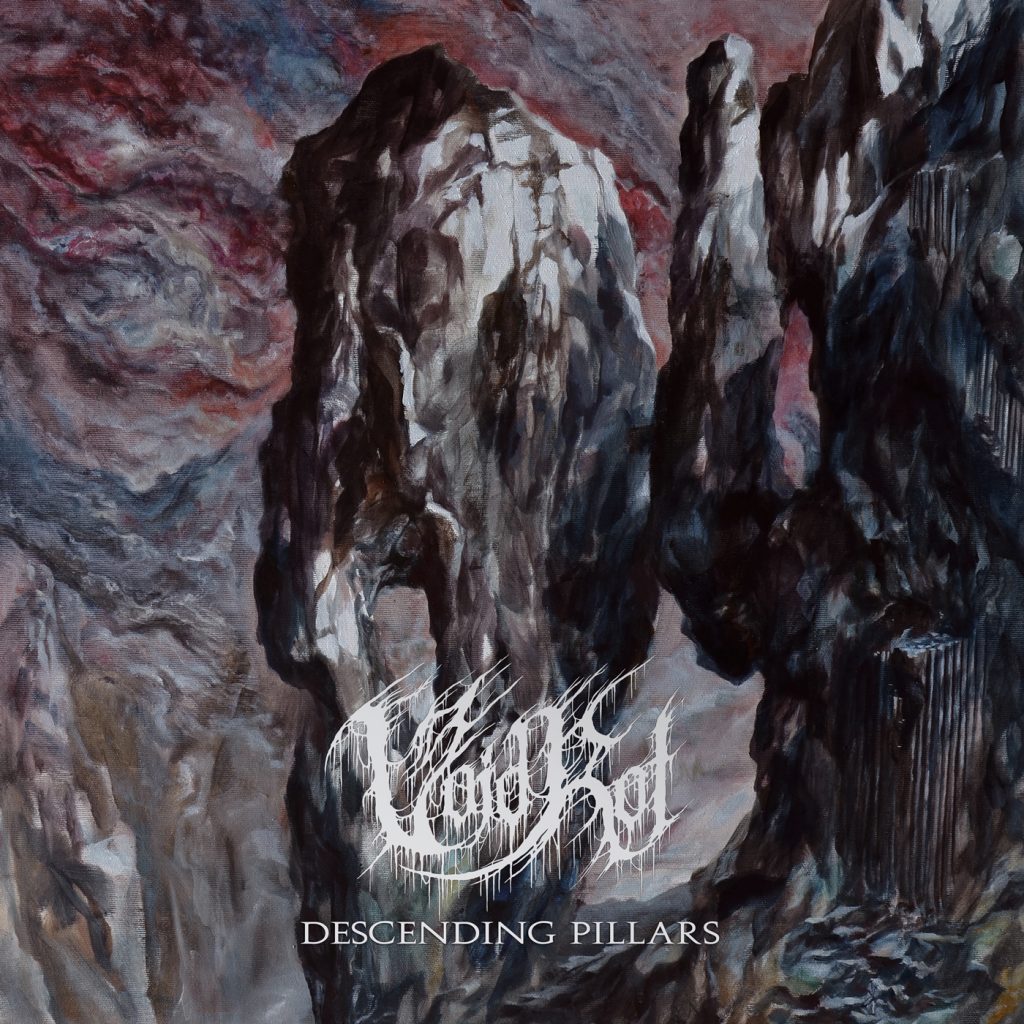
Discografia:
Consumed By Oblivion (2018)
Atavisma / Void Rot (2020)
Descending Pillars (2020)
Line-up:
JH – voce, chitarra, synth
KS – chitarra
CC – basso
WB – batteria
Per maggiori informazioni, qui la pagina ufficiale della band.
ENGLISH VERSION
First of all, as you are based in Minneapolis, the epicentre of riots and protests that spread all over the world after the killing of George Floyd, it feels natural to start this interview with something non-music related. What are your thoughts on the matter?
(JH) “Music and releasing an album really becomes quite insignificant in the face of blatant police brutality and murder, especially towards communities that have been systematically oppressed.”
Obviously, apart from the protests, we’re still going through a pandemic. How did it affect you personally and how did it affect the band?
“I think we all miss shows – both attending and performing, but having this release to focus on has helped in that sense. We recently started rehearsals again and the break has been good to let ideas brew in the subconscious. But honestly taking the time for personal reflection has been good. Looking at the issues in the world and how the relate to you and understanding any positions of privilege that you may have and how you can use it to help those who are underrepresented, or volunteering, etc.”
‘Descending Pillars’ is your debut album and it comes after two years from your EP ‘Consumed by Oblivion’ and the most recent split with Atavisma. How did the record come about?
“Well, after finishing ‘Consumed’ it was only natural for us to start writing more music with the goal of developing ideas into a full length album. There were a few ideas that evolved into the songs on the split with Atavisma and I think that really helped hone our songwriting skills. The split was a really good in-between-release to get those solid ideas out there for people, but also as a way to reset and go “OK let’s really get into this.” After we recorded the split songs, the tracks that turned into ‘Descending Pillars’ all came about pretty organically. One of the things I am most proud of is the growth from ‘Consumed’ to the split to now.”
What sort of themes and concepts can be found in your lyrics and in your music? Where does your main inspiration come from?
“A general sense of dread and fear of the unknown – I think that’s common to everyone to some degree. Obviously Lovecraft is strongly associated with that, but modern horror classics like ‘The Thing’ are inspirational as well. ‘2001: A Space Odyssey’, ‘Dune’ – all the classic sci-fi novels. Speaking of Carpenter, I also found this short story called ‘The Things’ by Peter Watts which is basically a re-telling of ‘The Thing’ but from the perspective of the Thing itself. Cool concept which really inspired me for the last song of ‘Descending Pillars’ – ‘Monolith’. The album deals with this giant monolith that wreaks havoc on the earth, doom, destruction, and then ‘Monolith’ is from the perspective of the monolith.”
How has the album been received so far?
“Great! We have gotten a lot praise for it and are just so humbled by the response. It’s in no way a perfect album, or redefining the death/doom genre, but I’m really happy with it as the debut Void Rot full length. EPs and splits are cool, but ultimately it’s the full albums that people are interested in, and as a debut effort, I’m really proud of it. It’s a great start and we look forward to building off of it.”
How did your deal with the Italian Everlasting Spew happen?
“That was all thanks to Tito. I think by now if you’re into metal, and you’re somewhere on the internet, you’ve met Tito! Anyways, for releasing ‘Consumed By Oblivion’ we were actually working with Sentient Ruin and Mattia was looking for a Euro release partner. In the meantime I had actually accidentally put the ‘Consumed’ EP on bandcamp and of course Tito found it like 5 minutes after, we talked and the rest is history.”
In terms of music production, what kind of choices did you make on this occasion?
“Well, the most important part was relying on Adam Tucker at Signaturetone Recording to capture our sound in the most natural way possible. A lot of modern metal production is a generic 5150 with an SM57 microphone – that’s not us. What you hear on the record is what you would hear at a show. Damian Herring at Subterranean Watchtower handled mastering duties and did a great job of whatever black magic mastering is (I still have no idea…).”
As all shows and festivals have been cancelled for the foreseeable future, are you planning a live stream or anything similar to promote your new release?
“We recently did a live stream with Cvlt Nation and the response to that was really good! We will hopefully try to do something similar as an “album release show” where maybe we play the album front to back, or pre-record it and add some video effects… Stay tuned!”
Your sound doesn’t hide the influence of bands like Krypts and Spectral Voice, both are quite recent. What were you listening to at the beginning of your musical path?
“Yeah, both Krypts and Spectral Voice are big influences, no hiding that. But you can’t get to those without going through diSEMBOWELMENT, Winter, Rippikoulu, Hooded Menace, Thergothon… I’m a huge fan of the Finnish death metal scene so while it may not come across in our riffs necessarily, the thick, heavy production and sound is something that we try to emulate.”
Anything else you’d like to add for the readers of Loud and Proud?
“Thanks for the support!”

Articoli Correlati
 Netgate ADV