
KAMELOT – The Legacy Of Mephisto

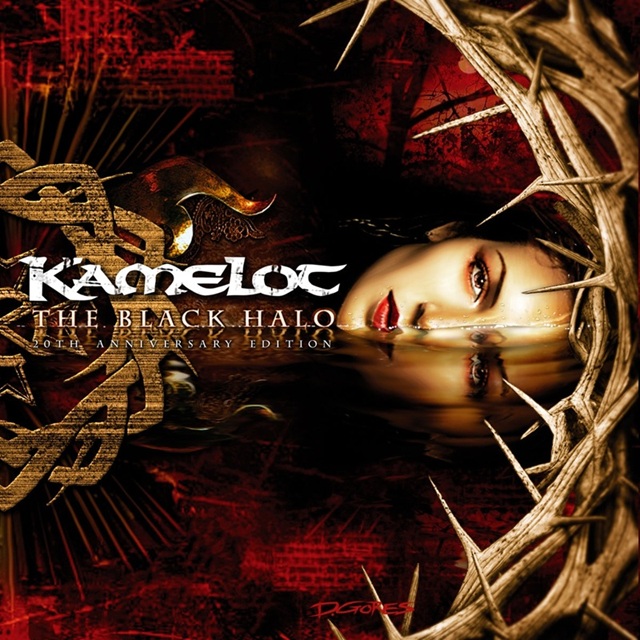
‘The Black Halo‘, l’album più visionario mai pubblicato dai Kamelot, ha da poco superato il traguardo del ventesimo anniversario dalla sua pubblicazione. La sempre attenta Napalm Records non si è lasciata sfuggire l’occasione per ripubblicare l’album in varie versioni. Il momento sembra quello giusto e tutto ciò ci fornisce la scusa perfetta per metterci in contatto con Thomas Youngblood, il mastermind della band di Tampa, per capire con quale stato d’animo affronta questo speciale momento e quali saranno i prossimi passi della sua band.
SCROLL DOWN FOR ENGLISH
La Napalm Records ha pubblicato da poco una nuova versione di ‘The Black Halo’ per celebrare il 20° anniversario dell’album. Vorrei sapere come è nata questa idea.
“Ci hanno contattato perché abbiamo i diritti di ‘The Black Halo’ con la nostra etichetta discografica. Ci hanno chiesto se fossimo interessati a creare una versione speciale per i fan e io ho risposto di sì. So che ci sono molti fan di ‘The Black Halo’ e di quell’epoca che sarebbero stati interessati, soprattutto perché attualmente è disponibile solo in formato digitale. Abbiamo discusso diverse idee, e stavo già lavorando direttamente con Napalm sulla confezione e sul cofanetto, compresi tutti gli articoli speciali. Alla fine siamo arrivati a qualcosa che ritenevo ottimo per i fan e abbiamo dato loro il via libera per procedere”
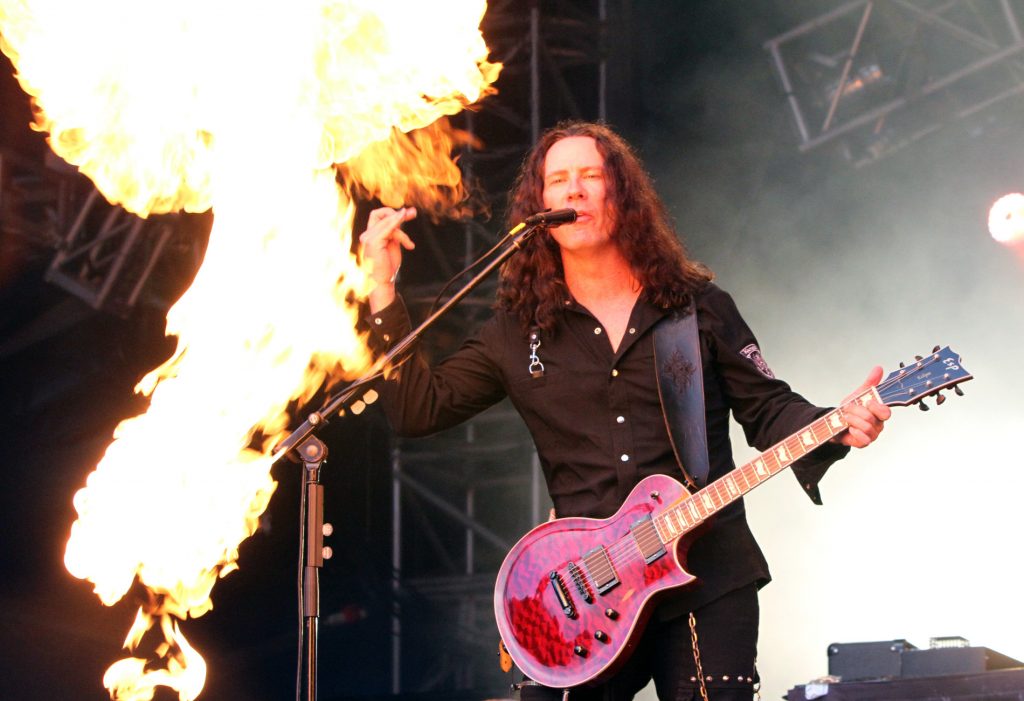
La nuova versione è stata pubblicata in diversi formati. Puoi descriverci le caratteristiche principali?
“Innanzitutto ci tengo a sottolineare che c’è la versione in vinile che molti ci chiedevano da anni. Abbiamo anche una confezione in edizione limitata, che è composta da una bellissima scatola di legno con intagli sulla parte superiore e che include un calice e un anello. È qualcosa che credo i fan di quell’epoca troveranno bellissimo, un vero e proprio omaggio. Di solito non mi lascio coinvolgere dalla nostalgia, ma quando hanno presentato l’idea di questa confezione speciale, ho pensato che sarebbe stata una cosa bella per alcuni dei fan di allora.”
Per quanto riguarda i contenuti musicali, avete aggiunto qualcosa di speciale alla versione originale o tutto è rimasto esattamente com’era?
“È assolutamente la versione originale! Mi conosci abbastanza bene da sapere che non sono uno che ricrea cose del passato o che le elabora inutilmente. Quando facciamo i nostri dischi, tutto viene messo in circolazione, quindi non ci sono canzoni che non sono state scritte. Se ci si mette a pasticciare troppo, si corre il rischio di rovinare lo spirito originale di quel disco.”
C’è forse stata anche l’aggiunta di materiale inedito o di brani usati per accompagnare i singoli?
“No, non c’è niente del genere per la semplice ragione che non ce l’avevamo quando abbiamo pubblicato l’album. Tutto è stato fatto nel modo in cui lavorano i Kamelot: scriviamo canzoni e se non sono abbastanza buone, non le usiamo. Con i concept record, la scrittura è molto specifica per la storia, quindi è difficile che ci sia una canzone non adatta. Tutto è adattato allo sviluppo della storia, quindi non c’è materiale extra da utilizzare.”
Cosa puoi aggiungere relativamente alla musica? C’è stato qualche remix, qualche modifica, o questa è la versione originale per tutte le canzoni?
“Sasha e Miro hanno lavorato come produttori su quel disco, e anche la band era co-produttrice. Uno dei miei riferimenti per il missaggio è ancora oggi costituito da alcuni degli album di Sasha, come ‘The Fourth Legacy’ e ‘The Black Halo’. Non c’è nulla che cambierei di quegli album in termini di masterizzazione o missaggio. Per gli altri album successivi, forse non mi dispiacerebbe cambiare, ma non c’è davvero motivo di alterare l’audio originale.”
Mi pare di capire che consideri le versioni originali come se fossero di ottima qualità, giusto?
“Sì, le tecniche di registrazione sono cambiate da allora, ma il suono di quel disco era unico e non vorrei alterarlo. Stiamo pensando di ristampare i primi due dischi dei Kamelot, ‘Eternity’ e ‘Dominion’, e probabilmente li farò rimasterizzare da qualcuno come Jacob Hansen. Le registrazioni manterranno la loro identità, ma la masterizzazione ne migliorerà alcuni aspetti.”
Come abbiamo detto più volte, ‘The Black Halo’ è stato pubblicato 20 anni fa, parecchio tempo fa. Quali sono i tuoi ricordi di quel periodo?
“Ero entusiasta di trascorrere un periodo in Germania, perché non c’ero mai stato prima. Ho trascorso circa tre mesi in un piccolo villaggio vicino ai Gate Studios. Ricordo che era divertente pensare a ospiti speciali, come mia moglie Mary o Simone e Shagrath. Erano tempi eccitanti e sperimentali. Le registrazioni di album dei Kamelot come ‘Silverthorn’ e ‘Haven’ sono sempre esperimenti divertenti; si provano cose nuove e si rompono gli schemi.”
Simone Simons era in studio con voi o vi mandava i file via e-mail?
“Credo che Simone sia venuta in studio. Jens Johansson ha inviato i file dalla Svezia, e avere lui come ospite sul disco è stata una grande soddisfazione per me, perché sono sempre stato un fan del suo modo di suonare, soprattutto dai tempi di Malmsteen. Ricordo che la mia prima volta in Europa fu a metà degli anni ’90, quando vidi gli Stratovarius a un festival in Olanda. Erano piuttosto famosi, e avere Jens sul disco è stato davvero speciale per me.”
‘The Black Halo’ è la seconda parte di un concept album ispirato al Faust di Goethe. La prima parte è stata pubblicata nel 2003 con ‘Epica’. La struttura di Faust ha influenzato in qualche modo il songwriting e la musica?
“Non c’era una direzione musicale basata su Faust, se non quella di creare atmosfere e intermezzi. Lo stile della musica era un marchio di fabbrica dei Kamelot, che abbiamo portato avanti. Per esempio, ricordo di aver scritto il riff di ‘March Of Mephisto’, che non aveva alcun riferimento diretto alla storia. Era solo un riff che mi era venuto in mente alla tastiera e che poi ho tradotto alla chitarra. Miro sempre ad avere una canzone con un’atmosfera pesante e mid-tempo, e questa si adattava perfettamente a quella parte della storia.”
Te l’ho chiesto perché, secondo me, tra le due parti del concept sono trascorsi solo due anni, ma le atmosfere di ‘The Black Halo’ sono molto più cupe. Cosa vi ha portato ad aggiungere questo tono specifico al vostro stile, che prima era meno evidente?
“Credo che tra i due album, almeno per il mio gusto personale in fatto di musica, volessi portare un po’ più di oscurità nelle sensazioni. Volevamo qualcosa di più orecchiabile ma un po’ più scuro, forse meno power metal.”
Meno allegro?
“Sì, meno felice! Quando ho pensato al titolo ‘The Black Halo’, ho sentito che l’album doveva avere un certo suono oscuro. Questo succede spesso quando si registrano più album; si riflette sui lavori passati, come ‘The Awakening’ basato su ‘The Shadow Theory’, per esempio. Si vuole rendere ogni disco leggermente diverso.”
Uno dei momenti più iconici dell’album, secondo me, è rappresentato dall’apertura di ‘March Of Mephisto’ con Shagrath che canta i versi. Come è nata l’idea di usare la sua voce e di raffigurarlo come il diavolo?
“Credo sia stata un’idea di Roy. Onestamente, prima di allora conoscevo ben poco di Shagrath e della sua band e non avevo ascoltato molto quel tipo di musica. Tuttavia, in seguito ho apprezzato quello che stavano facendo. Li ho visti al Dynamo Festival durante il mio primo viaggio in Europa a metà degli anni ’90, quando stavano esplodendo. Quando è stata proposta l’idea di introdurre le harsh vocals, alcuni erano scettici e si chiedevano come una band prog symphonic power metal potesse incorporare quello stile. Ma se il tuo istinto ti dice che questo è ciò che devi fare, allora lo fai. Ora le voci dure nel symphonic metal sono la norma.”
Hai citato il video. So che esiste anche una versione censurata di quel video? Perché è successo?
“Ai tempi c’erano MTV e piattaforme simili. La versione originale aveva molto sangue che usciva dalla bocca di Shagrath, il che sollevava problemi di visibilità. Così abbiamo finito per realizzare due versioni del video. Oggi probabilmente non sarebbe un problema pubblicare l’originale, ma stiamo parlando di un album pubblicato 20 anni fa, quindi i tempi sono cambiati.”
Abbiamo già trattato il tema degli intermezzi tra le varie canzoni. Vorrei sapere perché li avete inseriti e se poteste tornare indietro nel tempo, fareste qualcosa di diverso?
“No, non cambierei nulla. Gli interludi sono importanti per collegare alcune canzoni all’interno della storia. Penso che siano cruciali per entrambi i dischi, perché stabiliscono il tono e la trama di ciò che sta accadendo e di ciò che verrà. Fa tutto parte della narrazione, e senza gli intermezzi potrebbe sembrare disarticolato.”
Molti fan ritengono che ‘The Black Halo’ sia l’album più completo della prima parte della vostra carriera. Sei d’accordo con questa affermazione? Cosa pensi che contribuisca a questa percezione tra i fan?
“Penso che nella prima parte della nostra carriera, ‘The Fourth Legacy’ sia stato fondamentale. Per ‘The Black Halo’, credo che molto abbia a che fare con l’introduzione e la qualità delle apparizioni degli ospiti nell’album. Le apparizioni di ospiti di alto livello ne hanno sicuramente accresciuto l’importanza. Sono orgoglioso della musica, della storia e della produzione. Anche la tempistica gioca un ruolo importante: alcuni fan hanno un legame nostalgico con quell’epoca. Per alcuni potrebbe essere il primo disco dei Kamelot. È fondamentale riconoscere che alcuni fan potrebbero averci scoperto attraverso album specifici. Non posso dirlo con certezza; sono orgoglioso di ‘Silverthorn’ tanto quanto di ‘The Black Halo’, quindi non posso parlare per i fan che potrebbero non conoscere tutti i nostri dischi.”
“Forse una delle motivazioni di questa percezione è che avete pubblicato un DVD live che contiene molte canzoni di ‘The Black Halo’. Infatti ‘One Cold Winter Night’ è in qualche modo basato su ‘The Black Halo’. Potrebbe essere una possibile ragione?
“Sì, potrebbe essere, ma non ne sono sicuro perché si tratta di una cosa che dovresti chiedere ai fan. Non posso rispondere in modo oggettivo. Comunque è veramente fantastic che si possa ancora parlare di qualcosa che abbiamo fatto 20 anni fa.”
Con l’intenzione di celebrare questo importante anniversario, molti fan potrebbero aspettarsi una serie di eventi dal vivo che coinvolgano la formazione originale di allora. È una cosa che avete preso in considerazione?
“No, in genere mi concentro sull’oggi e sul futuro. Guardare al passato ci distoglie da ciò su cui stiamo lavorando attualmente. Uno dei motivi per cui i Kamelot sono rimasti rilevanti è la nostra attenzione per il nuovo materiale. Non trovo produttivo fare nuovamente oggi qualcosa di 20 anni fa.”
Siete appena tornati da un tour mondiale che potrebbe essere stato uno dei più importanti della vostra carriera. Qual è stato il successo principale di questo tour e quali sono i momenti più belli che avete vissuto?
“Sì, è stato incredibile. Sarò onesto con te. L’ultimo tour, che stiamo ancora facendo, è stato di gran lunga il più grande in termini di folla e di produzione, oltre che di numero di città in cui abbiamo suonato. Per la prima volta abbiamo fatto da headliner a un festival a Trondheim, in Norvegia, che è stato enorme. È stata un’esperienza incredibile vedere la crescita. È la dimostrazione che il duro lavoro e la concentrazione sulla scrittura di nuovi album di qualità sono essenziali. Anche dare ai fan qualcosa di diverso a ogni disco aiuta a far crescere la band. Credo di aver accennato prima al fatto che ci stiamo preparando a fare il nostro 14° album, il che è pazzesco da pensare, soprattutto perché non include nemmeno i dischi dal vivo. È una prova del nostro duro lavoro, del fatto che abbiamo una grande squadra e dei fan fantastici!”
Il vostro ultimo album è stato pubblicato nel marzo 2023, due anni fa. Di solito avete un periodo di attesa più lungo di due anni. Vuol dire che state bruciando i tempi!
“Sì, attualmente stiamo scrivendo l’album. Ogni giorno, Oliver, Tommy e io stiamo raccogliendo idee e canzoni. Probabilmente tra un mese o poco più andrò in Germania per sedermi con Oliver e lavorare sulle canzoni. Tommy ha uno studio a casa che gli dà molto tempo per lavorare su canzoni e idee. Siamo molto eccitati per questo prossimo capitolo. Stiamo già pianificando i tour per il prossimo anno, compresi i festival e i grandi show europei, e sarà emozionante per i fan vedere le produzioni complete in tutti gli spettacoli.”
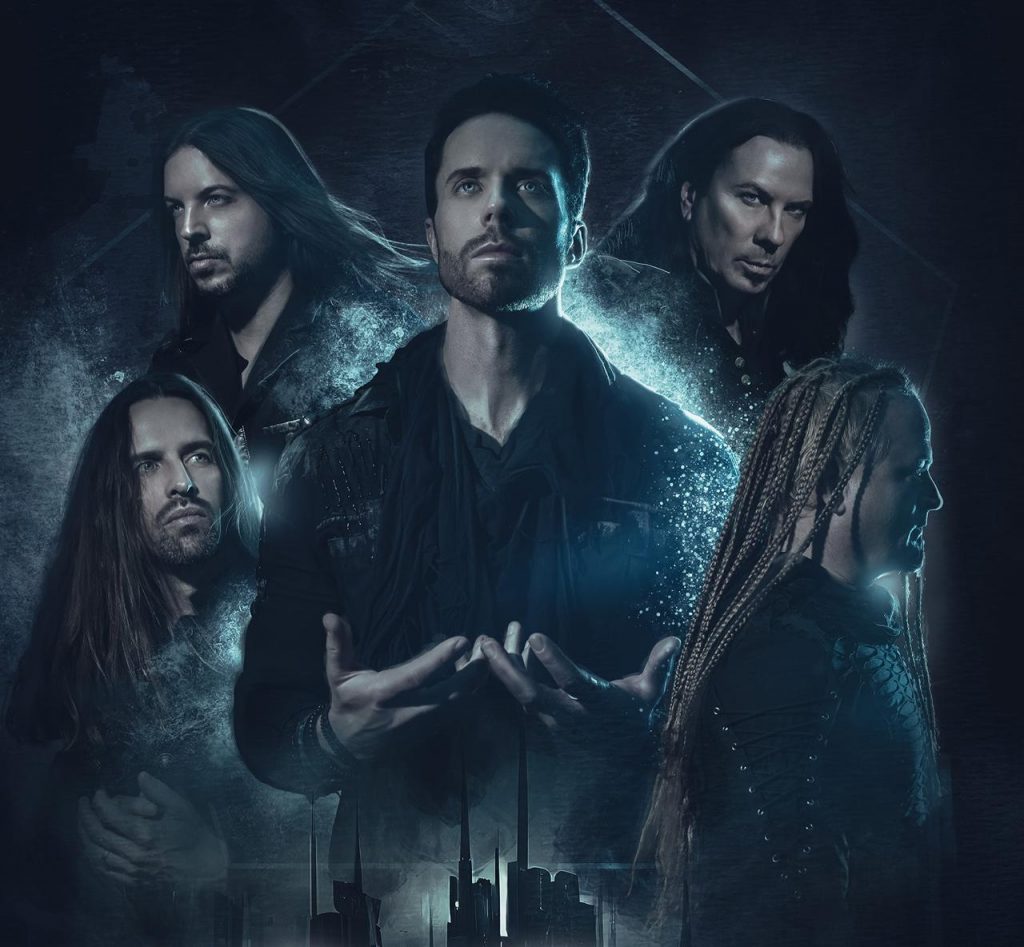
Avete già alcune canzoni complete o le state ancora creando in modo frammentario?
“Ci sono alcune canzoni complete, ma per la maggior parte direi che siamo circa al 30% del processo di scrittura delle canzoni. Entro la fine di luglio o agosto avremo tutto pronto e inizieremo a registrare.”
Avete qualche idea riguardo ai testi? Sarà un altro concept album come ‘The Black Halo’?
“Al momento ne stiamo discutendo. Non ci sono ancora i testi, ma il mio istinto mi dice che potrebbe essere un altro concept album. È passato un po’ di tempo da quando l’abbiamo fatto, quindi vedremo.”
So che a breve sarete in Sud America e siete contemporaneamente in piena fase compositiva. Ciò significa che non farete concerti in Europa quest’estate?
“Esatto. Saremo molto impegnati nella creazione di musica e nella registrazione di video. Ci saranno sempre cose che vorremo fare, ma per la maggior parte quest’estate sarà dedicata alla creazione e alla scrittura. Negli ultimi due o tre anni siamo stati molto impegnati in tournée in Sud America, Giappone, due volte in Europa, due volte negli Stati Uniti e in Canada. È importante prendersi un po’ di tempo libero per concentrarsi e dare un po’ di respiro alle persone.”
Vorrei chiudere la nostra chiacchierata con due domande su artisti o band chef anno parte, in un certo senso, della famiglia Kamelot. A partire da Simone Simons che è stata ospite speciale di ‘The Black Halo’, avete avuto diverse cantanti donne che vi hanno supportato negli album e nelle esibizioni dal vivo. Potresti dirmi chi consideri la migliore cantante, non solo per le sue capacità vocali ma anche per come ha interagito con la band nel corso della vostra carriera?
“Questa è una domanda difficile… È stato fantastico lavorare con tutti loro e vedere le loro carriere crescere nel corso degli anni. Ogni tanto mi sento con Alissa, Kobra ed Elize e naturalmente Melissa è stata in tour con noi ed è stata fantastica.”
Una volta qualcuno mi ha fatto notare che se sei in una band e vuoi essere un ospite speciale per i Kamelot, devi avere una cantante donna. È vero?
“Non necessariamente. Mi piace portare varietà allo show. Penso che avere una band femminile come gruppo di supporto possa offrire una diversità alla scaletta, rendendola interessante. Tuttavia, abbiamo avuto molti gruppi con vocalist maschili. Mi vengono subito in mente i Myrath.”
Quindi c’è una ragione per questo?
“Sì, e ora siamo davvero nel genere symphonic metal. Si dà il caso che abbiamo una voce maschile con un’ospite, quindi fa parte del genere.”
Thomas, vuoi aggiungere ancora qualcosa a quanto già detto?
“Siamo entusiasti del prossimo capitolo del viaggio della band e non vediamo l’ora di condividerlo con tutti voi, fantastici fan! Il tour del 2026-27 sarà epico: partirà dal Nord America e toccherà il Sud America, l’Europa, il Giappone e l’Asia. Preparatevi a una corsa selvaggia e indimenticabile, perché questo tour sarà uno di quelli che rimarranno nei libri di storia!”
ENGLISH VERSION
‘The Black Halo’, the most visionary album ever released by Kamelot, recently celebrated its 20th anniversary. Always attentive, Napalm Records didn’t miss the chance to reissue the album in various formats. The timing feels just right, and this gives us the perfect excuse to reach out to Thomas Youngblood, the mastermind behind the Tampa-based band, to understand how he’s feeling about this special milestone and what lies ahead for Kamelot.
Napalm Records has released a new version of ‘The Black Halo’ to celebrate the 20th anniversary of the album. I’d like to ask how this idea came about.
“They approached us because we have ‘The Black Halo’ under our own record label. They asked if we were interested in creating a special package for fans, and I said sure. I know there are many fans of ‘The Black Halo’ and that era who would be interested, especially since it’s currently only available in digital format. We discussed different ideas, and I was already working directly with Napalm on the packaging and the box set, including all the special items. We finally came up with something that I thought would be great for the fans, and we gave them the green light to proceed.”
The new version has been released in different formats. Could you describe the main features?
“Well, there’s the vinyl that many people have been asking about for years. We also have a limited edition box, which is a beautiful wooden box with carvings on the top and includes a goblet and a ring. It’s something that I believe fans from that era will find beautiful—a real homage to that time. Normally, I don’t get caught up in nostalgia, but when they presented this special box idea, I thought it would be a cool thing for some of the fans from back then.”
Regarding the music content, did you add anything special to the original version, or is it just the original version?
“It’s just the original version. You know me well enough to know that I’m not one to recreate things from the past or elaborate unnecessarily. When we make our records, everything is put out there, so there are no songs that haven’t been written. If you mess around with it too much, it tarnishes the original spirit of that record.”
Were there any unreleased songs or B-sides?
“No, there was nothing like that. Everything was done the way Kamelot works: we write songs, and if they’re not good enough, we just don’t use them. With concept records, the writing is very specific to the story, so you’re not likely to have a song that doesn’t fit. Everything is tailored for the concept, so there’s not a lot of extra material to revisit.”
Can you tell me about the music? Was there any remixing or retouching, or is this the original version of all the songs?
“Sasha and Miro worked as producers on that record, and the band was co-producing as well. One of my references for mixing still goes back to some of the albums Sasha made, like ‘The Fourth Legacy’ and ‘The Black Halo.’ There’s nothing I would change about those albums in terms of mastering or mixing. Other albums that followed, maybe I wouldn’t mind changing, but there’s really no reason to mess with the original audio.”
The quality was already good 20 years ago, right?
“Yes, the recording techniques have changed since then, but the sound of that record was unique, and I wouldn’t want to alter it. We’re actually considering reissuing the first two Kamelot records, ‘Eternity’ and ‘Dominion,’ and I’ll probably have those remastered by someone like Jacob Hanson. The recordings will keep their identity, but the mastering will enhance certain aspects.”
As we mentioned several times, ‘The Black Halo’ was released 20 years ago, which is quite a long time. What are your memories of that time?
“I was excited about spending time in Germany because I hadn’t been there much before. I spent about three months living in a small village near Gate Studio. I remember it being fun to brainstorm special guests, like bringing in my wife Mary or Simone and Shagrath. Those were all exciting and experimental times. The recordings for Kamelot albums like ‘Silverthorn’ and ‘Haven’ are always fun experiments; you’re trying new things and breaking molds.”
Was Simone in the studio with you, or did she send files through email?
“I believe Simone came into the studio. Jens sent the files from Sweden, having Jens Johansson on the record was a big treat for me because I’ve always been a fan of his playing, especially from the old Malmsteen days. I remember my first time in Europe was in the mid-’90s when I saw Stratovarius at a festival in Holland. They were pretty big, and having Jens on the record was really special for me.”
The Black Halo is the second part of a concept album inspired by Goethe’s ‘Faust.’ The first part was released in 2003 with ‘Epica.’ Did the structure of ‘Faust’ influence the songwriting and the music?
“There was no music direction based on ‘Faust,’ other than creating atmospheres and interludes. The style of the music was trademark Kamelot, which we’ve continued. For example, I remember writing the riff for ‘March of Mephisto,’ which had no direct reference from the story. It was just a riff I came up with on the keyboard and then translated to guitar. I always aim to have a song with a heavy, mid-tempo feel, and that one fit perfectly with that part of the story.”
I ask this because, in my opinion, only two years passed between ‘Epica’ and ‘The Black Halo,’ but the atmospheres in ‘The Black Halo’ are much darker. What led you to add this specific tone to your style, which was previously less prominent?
“I think between the two albums, at least for my personal taste in music, I wanted to bring a little more darkness to the feel. We aimed for something catchier but a bit darker—maybe less power metal.”
Less happy?
“Yes, less happy. When I came up with the title ‘The Black Halo,’ I felt that the album needed to have a certain dark sound to it. This happens often when you’re recording multiple albums; you reflect on past works like ‘The Awakening’ based on ‘The Shadow Theory,’ for instance. You want to make each record slightly different.”
One of the most iconic moments of the album, in my opinion, is the opening of ‘March of Mephisto’ with Shagrath singing the verses. How did the idea to use his vocals and portray him as the devil come about?
“I believe that was Roy’s idea. Honestly, Shagrath and his band weren’t really on my radar before that; I hadn’t listened to that kind of music much. However, I later appreciated what they were doing. I saw them at the Dynamo Festival during my first trip to Europe in the mid-’90s when they were blowing up. When the idea of bringing in harsh vocals was proposed, some people were skeptical—wondering how a prog symphonic power metal band could incorporate that style. But if your gut says this is what you need to do, then you go for it. Now harsh vocals in Symphonic Metal is the norm.”
You mentioned the video. Is it true that there is also a censored version of that video? Why did that happen?
“Back in the day, there was MTV and similar platforms. The original version had a lot of blood coming out of Shagrath’s mouth, which raised concerns about playability. So, we ended up making two versions of the video. Nowadays, it probably wouldn’t be a big deal to release the original, but we’re talking about an album released 20 years ago, so times have changed.”
You also mentioned that there are interludes between various songs. Why did you include those in ‘Epica,’ and if you could go back in time, would you do anything differently?
“No, I wouldn’t change anything. The interludes are important for connecting certain songs within the story. I think they are crucial for both records, as they set the tone and storyline for what’s happening and what’s to come. It’s all part of being a storyteller, and without the interludes, it could feel disjointed.”
Many fans believe that ‘The Black Halo’ is your most complete album from the first part of your career. Do you agree with this statement? What do you think contributes to this perception among fans?
“I think from the first part of our career, ‘The Fourth Legacy’ was crucial. For ‘The Black Halo’, I think a lot of it has to do with the introduction and quality of the guest appearances on the album. The high-level guest appearances definitely added to its significance. I’m proud of the music, the story, and the production. Timing also plays a role; certain fans have a nostalgic connection to that era. For some, it might be the first record they experienced from Kamelot. It’s crucial to recognize that certain fans may have discovered us through specific albums. I can’t say for sure; I’m proud of ‘Silverthorn’ just as much as I am of ‘The Black Halo,’ so I can’t speak for fans who might not know all our records.”
Perhaps one reason for this perception is that you released a live DVD that features many songs from ‘The Black Halo.’ ‘One Cold Winter Night’ is kind of based on ‘The Black Halo.’ Could that be a possible reason?
“Yes, it could be. I’m not really sure; that’s something you’d have to ask the fans. I can’t answer that objectively. It’s pretty cool that we can still talk about something we did 20 years ago.”
Now, let’s move on to the next part of the interview. With the intention of celebrating this important anniversary, many fans might have expected a series of live events involving the original lineup from that time. Is this something you have considered?
“No, I generally focus on today and the future. Looking back takes away from what we’re currently working on. One reason Kamelot has remained relevant is our focus on new material. Doing something from 20 years ago isn’t something I find productive.”
Going back to our interview, here’s an official question again. You have just returned from a world tour that may have been one of the most important of your career. What has been the main success during this tour, and what are the best moments you experienced?
“Yeah, it’s been incredible. I’ll be honest with you. The last tour, which we are still actually doing, has been our biggest by far in terms of crowd sizes and production, as well as the number of cities we’ve played. We headlined a festival in Trondheim, Norway, for the first time, which was massive. It’s been an amazing experience to see the growth. It shows that hard work and staying focused on writing good new albums is essential. Giving fans something different with each record also helps grow the band. I think I mentioned earlier that we’re getting ready to do our 14th album, which is crazy to think about, especially since that doesn’t even include live records. It’s a testament to our hard work and having a great team and amazing fans!”
Your last album was released in March 2023, roughly two years ago. You usually have a waiting period longer than two years. Are there any projects for the next Kamelot album?
“Yes, we’re currently writing the album. Every day, Oliver, Tommy, and I are compiling ideas and songs. I’m probably going to fly to Germany in a month or so to sit with Oliver and work on songs. Tommy has a home studio now that gives him lots of time to work on songs and ideas. We are super excited about this next chapter. We’re already planning tours for next year, including festivals and big European shows, it will be exciting for fans to see full productions at all the shows.”
Do you already have some complete songs, or are you still creating them piecemeal?
“There are some complete songs, but for the most part, I’d say we’re probably about 30% into the songwriting process. By late July or August, we’ll have everything ready and start recording.”
You’ll start recording in July, during the summer?
“Late summer or early fall, yes.”
Do you have any ideas regarding the lyrics? Will it be another concept album like ‘The Black Halo’
“That’s currently being discussed, whether it will be a concept record or not. There are no lyrics yet, but my gut says it might be another concept record. It’s been a while since we did that, so we’ll see.”
Cool. Super cool. My last question: you mentioned that you’re going to South America in a couple of weeks and that you’re creating new music. Does this mean you won’t be doing shows in Europe this summer?
“Correct. We’ll be really busy creating music and recording videos. Here and there, there will always be things that pop up that we want to do, but for the most part, this summer will be dedicated to creating and writing. We’ve been going pretty hard for the last two or three years, touring South America, Japan, Europe twice, the US twice, and Canada. It’s important to take a little time off to focus and give people a breather.”
I mentioned earlier that I had a question about rankings. Starting from the fact that Simone was a special guest on ‘The Black Halo,’ you’ve had several female singers supporting you on albums and live performances. Could you tell me who you consider the best singer, not only for her vocal abilities but also for how she interacted with the band throughout your career?
“Oh, that’s a tricky question. They have all been amazing to work with and see their careers grow over the years. I keep in touch with Alissa, Kobra, and Elize here and there, and of course, Melissa has been on tour with us and has been fantastic.”
Someone once said that if you are in a band and want to be a special guest for Kamelot, you need to have a female singer. Is that correct?
“Not exclusively. I like to bring variety to the show. I think having a female-fronted band as a support act can offer diversity to the lineup, making it interesting. However, we’ve had many bands with male vocalists. Myrath comes to mind immediately.”
So there is a reason for that.
“Yes, and we’re really in the symphonic metal genre now. We happen to have a male vocalist with a guest, so it is somewhat part of the genre.”
Do you want to add something else, Thomas?
“We’re beyond stoked for the next chapter in the band’s journey, and we can’t wait to share it with all of you amazing fans! The 2026-27 tour is going to be EPIC – kicking off in North America, then hitting South America, Europe, Japan, and Asia. Get ready for a wild, unforgettable ride because this tour is going to be one for the history books!”
Discografia:
Eternity (1995)
Dominion (1997)
Siége Perilous (1998)
The Fourth Legacy (1999)
Karma (2001)
Epica (2003)
The Black Halo (2005)
Ghost Opera (2007)
Poetry For The Poisoned (2010)
Silverthorn (2012)
Haven (2015)
The Shadow Theory (2018)
The Awakening (2023)
Line-up:
Tommy Karevik – voce
Thomas Youngblood – chitarra
Oliver Palotai – tastiere
Sean Tibbets – basso
Alex Landenburg – batteria
Per maggiori informazioni, qui la pagina Facebook ufficiale del gruppo.

Articoli Correlati
 Netgate ADV