
FRANCIS ROSSI – Il feeling impagabile della libertà artistica

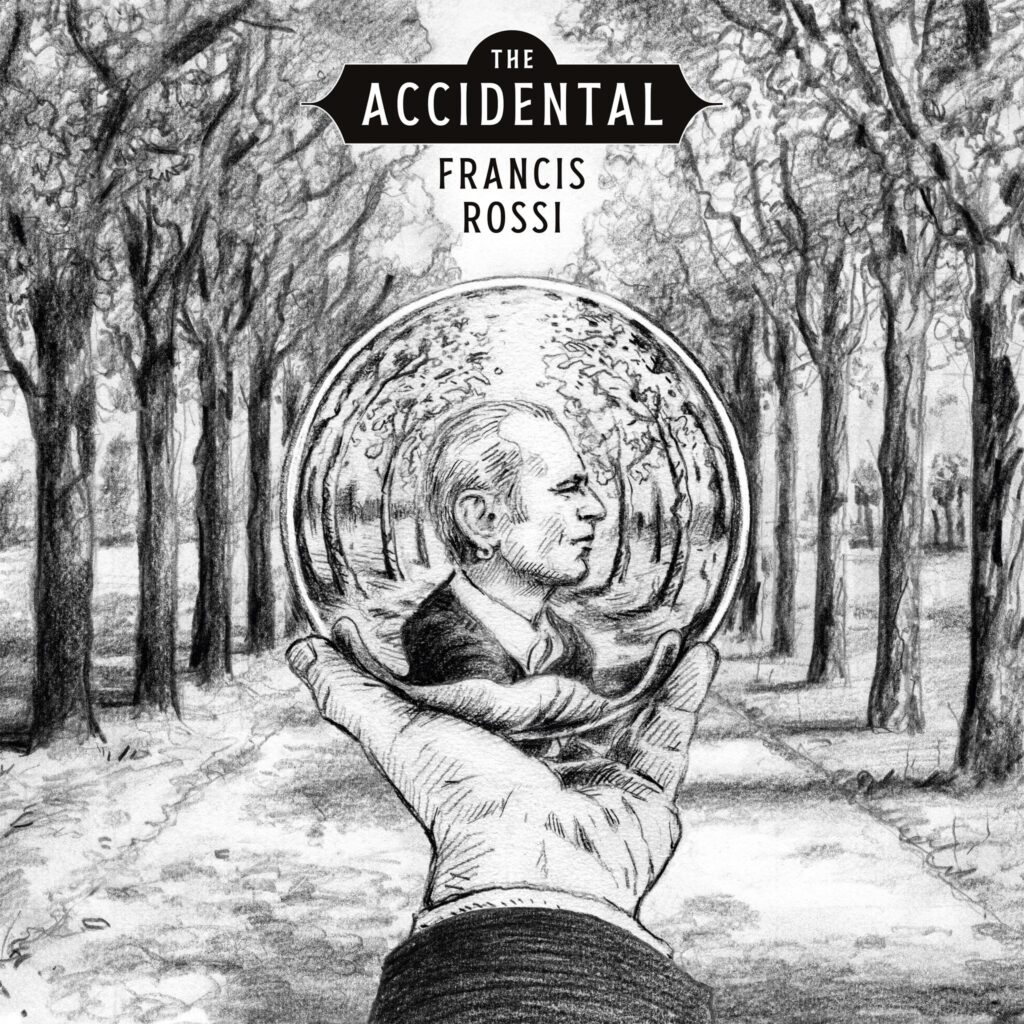
Francis Rossi non è solo il leggendario frontman degli storici Status Quo, è un artista sensibile con più di sessant’anni di esperienza in studio e sul palco. In questa fase della sua vita professionale, niente è gratificante come non dover rendere conto a nessuno per le proprie scelte artistiche, soprattutto quando per mezzo secolo, fan, addetti ai lavori e altri membri del suo celebre gruppo hanno sempre avuto le loro idee su come dovrebbero suonare i pionieri del boogie rock. Il vocalist, chitarrista, songwriter e produttore con ‘The Accidental’ sembra aver messo d’accordo quasi tutti: il nuovo lavoro – pubblicato il 30 gennaio dalla earMUSIC – è stato accolto positivamente, sta vendendo bene (per il music biz attuale), e ha contribuito a rimotivare un artista dallo stile inconfondibile anche grazie all’entusiasmo del chitarrista Hiran Ilangantilike e dell’ingegnere del suono Andrew Brook. ‘The Accidental’ presenta la sezione ritmica degli Status Quo – Leon Cave e John Edwards – e un certo ritorno alle sonorità elettriche della popolare rock band britannica ma anche molto altro. Ne abbiamo parlato con il “Signor Rossi”.
SCROLL DOWN FOR ENGLISH VERSION
Mr. Rossi, dovrei chiamarti “Il Governatore”?
“(Francis Rossi) Mi piace la cosa del governatore, ma anche a casa mia non sono davvero il governatore.”
Vale lo stesso anche per me, che io sia con mia mamma o la compagna non sono il governatore.
“È molto da ragazzo italiano che tu abbia menzionato la mamma, la mia era brava in cucina, la mia nonna era fantastica a cucinare.”
Partiamo dal nuovo disco, che è nato per caso, quando hai capito di avere la giusta chimica con il chitarrista Haran e l’ingegnere del suono Andy Brook per creare della grande musica insieme?
“Beh, Andrew Brook ha iniziato come ingegnere circa una decina di anni fa, è andato a scuola con Hiran. Andavano a scuola con uno dei miei figli. Vedevo Haran quando aveva 12 anni e Andrew, quando avevano quell’età, e poi quando erano adolescenti suonavano in band e a volte registravano nel mio studio. Quindi conosco Hiran e Andrew da moltissimo tempo. Andrew è diventato il mio ingegnere di studio qui. È stato un tecnico delle chitarre in tour con gli Status Quo per un paio di tour, e fa i tour acustici con me. C’è stato un momento in cui Haran – che mi ha chiamato anche stamattina, lui si entusiasma molto per le cose – è venuto a trovarmi, stavamo suonando la chitarra e mi ha detto: “Vuoi scrivere un paio di canzoni?”. Io ho risposto: “Beh, cosa succederebbe?”. Abbiamo scritto tre bozze di canzoni e poi lui ha detto: “Ti andrebbe di registrarle?” e io ho detto: “Beh, no, no, no, no”. Lui ha chiesto perché, e io ho risposto che non credo più nel sistema attuale, in cui riceviamo un quarto di centesimo per uno streaming o un download. Mi fa sembrare negativo, ma sono cresciuto in un’industria in cui vendevi dischi e guadagnavi dagli album. Al momento, non puoi davvero finanziare la realizzazione di un disco, ma sono andato in studio con lui e abbiamo fatto i tre pezzi. Ho parlato con Max Vaccaro, della Edel (l’earMUSIC è una divisione specializzata di Edel) è italiano anche lui, parla come un treno, e ho detto: “Oh, farei l’album, ma non voglio perderci soldi”. Non mi importa di non guadagnarci, e infatti non ci guadagno, ma non voglio rimetterci. Poi abbiamo firmato l’accordo e il disco è iniziato. Ho semplicemente continuato a registrare. E cosa c’era di diverso? Beh, nella band, in cui sono stato per molto tempo, c’è una sorta di sentimento democratico. In questa formazione quasi tutti dovevano partecipare un po’ alla scrittura dei brani, e l’ho capito successivamente su questo album.”
E Haran ha scritto metà delle tracce, giusto?
“Esatto, e Mr. Brook ne ha scritte altre con me.”
Quando hai coinvolto la sezione ritmica degli Status Quo, John e Leon, sapevi già che la direzione musicale sarebbe stata un ritorno al vecchio sound con l’influenza classica di boogie rock e blues?
“Quell’influenza classica del boogie rock, come la chiami tu, è il mio input, così come lo è stato con gli Status Quo. Quindi il fatto che suoni un po’ come gli Status Quo sarebbe successo comunque. Avrei usato Leon a prescindere, perché ha suonato con me prima ancora di entrare negli Status Quo. E John Edwards mi ha chiesto se poteva fare due canzoni, e io avevo detto: “Beh, sarà un problema perché la gente dirà che sono gli Quo, bla bla bla”. Ha fatto due canzoni ed era così bravo che ho dovuto lasciargli fare l’intero album, e penso che farà qualsiasi cosa io faccia in futuro. Ma il fatto che suoni come gli Status Quo… avrei potuto scegliere qualsiasi bassista che suonasse quelle cose in shuffle e, quando la gente dice che suona come gli Status Quo, beh, io ho scritto un sacco di canzoni degli Status Quo, ci suono la chitarra e le canto. Non credo che questo suoni così tanto come gli Status Quo come dicono alcuni; una o due canzoni sì, ma è decisamente diverso. È diverso per me: autori diversi, attitudine diversa durante la registrazione, attitudine diversa nel cantare e nessuna limitazione. Ci sono certe cose che, negli anni, la gente ha deciso che non puoi fare, o che gli Status Quo non possono fare, perché non sarebbero gli Status Quo. La gente spesso mi diceva: “Quello non è un disco degli Status Quo”, riferendosi a ‘In The Army Now’, ‘Marguerita Time’, ‘Living On An Island’ o un sacco di altre canzoni. E io ribattevo sempre che la canzone l’avevo scritta io e ci avevo suonato io. La sto cantando io. Quindi, se suona minimamente come gli Status Quo, è perché suona come me, in un certo senso. È buffo perché non voglio difendere la mia posizione, ma dovrebbe essere evidente alla gente che suonerà così, perché è la stessa persona che ha scritto la canzone.”
L’album è pieno di così tanti potenziali singoli, alcuni condividono quel marchio di fabbrica degli Status Quo, mentre altri sembrano più legati alla tua passione per le armonie vocali e a un songwriting più riflessivo. Pensi che la carriera solista ti si addica di più in questo momento, perché ti dà la possibilità di essere un autore più eclettico, con una totale libertà artistica?
“Penso che sia un’ottima domanda e un ottimo punto, davvero. È stato così finché non ho iniziato a registrare questo disco senza dover registrare due canzoni di tutti gli altri. È così che funziona, sai. E quando sei in una band, se c’è una canzone che odio cantare, mi dicono: “Oh, è troppo forte”. Così ho detto ad Andrew: “È troppo forte”. Sono tornato in cabina di regia e ho detto: “Posso cantare così?”. Ecco, non puoi farlo negli Status Quo. Perché molti fan si arrabbierebbero molto, e così anche le persone nella band. In particolare la vecchia band, Alan Lancaster poteva sentirsi molto in imbarazzo per qualsiasi cosa, non si poteva mai scherzare. Quindi alcune barriere o limitazioni sono state rimosse e ho potuto fare quello che volevo. Quindi la tua domanda è molto valida, e probabilmente dimostra che sicuramente è un bene per me essere qui al momento. Sto facendo tour acustici, quindi è tipico che la gente pensi che non tornerò negli Status Quo. È solo che ho molto da fare qui. Penso di voler fare almeno altri due album prima di morire, fantastico, o magari li farò dalla tomba. Ho detto che non avrei chiamato gli ultimi show degli Status Quo ‘gli ultimi’, perché è stato fatto così tante volte in passato, quindi potrei tranquillamente uscire e farne altri. Ma sarò vicino agli 80 anni, e Andrew ne avrà 82 o 83, e John 76 o 77. Mi sembra un po’ ridicolo, mentre se voglio essere ridicolo come Francis Rossi, allora va bene, non rovino quell’immagine degli Status Quo, perché così tante persone sembrano protettive verso ciò che pensano sia o debba essere la band. Ma la risposta alla tua domanda è probabilmente sì.”
Il brano d’apertura parte con un hook fortissimo e presenta quel classico stacco e ripresa che è un elemento centrale dei vostri live. Scrivi ancora queste canzoni pensando al palco?
“No, quella canzone, a dire il vero, quando l’abbiamo fatta… dato che ci sono due chitarre davanti, io e Hiran che ci rispondiamo, avevamo il ritornello e ci siamo detti: “Beh, iniziamo con il ritornello, un giro di ritornello”. E quando siamo arrivati alla sezione finale ho pensato di inserire uno stacco, ma non l’ho mai vista come qualcosa da fare dal vivo. La vedevo come molte di quelle che chiamano ‘canzoni scarafaggio’, o come fanno gli americani, che rallentano e tutti mettono i pugni in aria. La vedevo come qualcosa che le band americane potrebbero fare o che qualcuno potrebbe fare dal vivo. Non credo che abbiamo mai fatto una cosa del genere su alcuni dischi, e non l’avrei mai vista come un singolo, ma sembra funzionare molto bene in quel brano come in ogni altra traccia. È difficile trovarsi nella posizione in cui tendo ad amare ogni singola traccia dell’album; si torna al discorso della band: quando sei in un gruppo devono piacerti anche le canzoni degli altri. Mi piacciono, ma non quanto mi piacciono le canzoni qui dentro. Mi fa sentire come se fossi cattivo o qualcosa del genere. Non lo sono, sono solo onesto. Mi piacciono le canzoni che ho fatto su questo disco. E finora, sta avendo molto successo.”
‘Go Man Go’ e ‘Push Comes To Shove’ hanno arrangiamenti semplici ma molto efficaci che mi danno la sensazione dello stile della British Invasion. Quanto di quella orecchiabilità è un prodotto di quegli anni?
“Buona domanda, ma non lo so. Quando stavamo facendo ‘Go Man Go’ e siamo arrivati al testo, Hiran mi ha detto – lui scrive mentre componiamo il testo – e ha detto: (Qui Francis comincia a canticchiare) “Wake him every day, as simple there ain’t no other way”. Perfetto. E abbiamo iniziato a seguire quello. Tutto in quella canzone, quando è arrivato il turno di Hiran… penso parlasse di quando era più giovane e cercava di farsi strada in quella cultura, quella indiana, dove ti sforzi di fare bene per compiacere i tuoi genitori, per avere una buona carriera. È da lì che ho preso l’ispirazione: ‘Go Man Go’, “sposati, fai due bambini, trova un un buon lavoro e guadagna del denaro”. Sì, sì, sì. Quindi queste cose sono venute fuori nella canzone. Con ‘Push Comes To Shove’, mi suona più come una cosa stile anni ’60, tipo Del Shannon, con quel ritornello e la strofa in minore. Avevamo registrato tutto e di nuovo… volevo cantarla ma non mi piaceva il ritornello. Così l’ho chiamato con un testo e ho detto che cercavo forse una guida divina. È una di quelle cose di cui la gente vuole parlare. Dio. Guardiamo in alto. Quindi: ‘So I look above in search of guidance’. E poi ho pensato che non riuscivo a trovare un’altra riga. Lui era in Arabia Saudita, e ho pensato: ‘Che ne dici di push comes to shove?’. E ne siamo stati così felici. Questo descrive molto di ciò che è successo durante la realizzazione di quel disco tra me e lui, e Andy Brook. La gioia mia nel lavorare con Andy Brook è stata totale, tutto è stato una gioia, non c’erano…
Discussioni?
Beh, non proprio discussioni, ma c’erano forse discussioni sulla canzone, ma non era la solita teoria di qualcun altro ma…
idee costruttive condivise?
“Sì, penso un obiettivo condiviso e un sentimento comune che non trovi assolutamente in una band, il che è comprensibile perché diventa spesso un conflitto. Haran non prova mai a dire nulla su come suona o su come sarà il mix. E poiché Andy Brook è un ingegnere… una delle cose che ho imparato stando in un gruppo, e l’ho visto in molti gruppi, è che le persone ascoltano solo la propria parte. Non puoi farlo mentre fai un disco. Devi ascoltare il risultato complessivo. Spesso non sento la mia voce o non sento la mia chitarra molte volte mentre stiamo facendo il disco.”
L’arte della melodia e il gusto per le armonie sono elementi chiave del suo songwriting, sia che parliamo di chitarra che di voce. Quando ha sviluppato questa passione per le linee vocali, c’era un artista a cui ti sei ispirato crescendo?
“Gli Everly Brothers, in realtà per tutti gli anni ’70 portavo un lettore di cassette in camera, in una grande valigia. Lo collegavo sempre e avevo circa 90 minuti di quelle vecchie cassette, una cassetta da 90 minuti di tutta la roba degli Everly Brothers. Era incredibile cantare con loro e armonizzare con loro, adoro il loro stile.”
Un classico istantaneo di ‘The Accidental’ è ‘Something In The Air / Stormy Weather’. Un intro classica è seguito da una di quelle memorabili progressioni vocali. Potresti dirci di più su questo brano?
“Sì, stavo anche facendo un pezzo per qualcuno in America. Avevano due giorni e io e Andrew ci abbiamo lavorato. Stavo nuotando – la mattina – e pensavo: (canticchia) “Is anybody there, anybody here…” Così ho provato quella strada e abbiamo continuato a mettere insieme questo pezzo il più velocemente possibile, e poi nessuno lo ha voluto. Così l’abbiamo lasciato lì finché non siamo arrivati a questo disco; continuavo a dire: ‘Mettiamoci quello’, e poi abbiamo cambiato un po’ l’intro, le chitarre e lo stile. E poi la sezione centrale, dove c’è “Is anybody there?”, suona un po’ come quella cosa di Maggie Thatcher, una voce femminile molto condiscendente che parla. “There’s a killer on the loose” (trad: c’è un killer in libertà), con quel tono protettivo. È stato di nuovo molto piacevole perché non c’era motivo per cui non dovessi fare qualunque cosa mi venisse in mente. Ho una donna che parla e “io che parlo sotto così” (lo dice con una voce lugubre quasi da killer). C’erano così tante cose che ho fatto che non avrei mai potuto fare in una band, perché le band tendono a ridicolizzarsi a vicenda se qualcuno diventa minimamente sperimentale o prova qualcosa. E poiché se non stai sperimentando con qualcuno, inizialmente va male e suona male finché non continui a provare, e poi lo adatti man mano che procedi, e ottieni questo, che è successo in ‘The Accidental’: qualcosa viene fuori per caso o per l’energia creativa che l’ingegnere dice di avere, e io dico: ‘Beh, no, prova quello’. E lui dice: ‘Beh, perché non facciamo così?’. E prima che te ne accorga, hai questo ‘Stormy Weather’ (canta con una voce molto più profonda del solito) dove Haran suona e io dico (sempre cantando): “There’s a killer on the air / There’s a killer on the loose”. Poteva essere letteralmente qualcuno per strada, qualcuno di vizioso con un coltello, o poteva anche essere tutta la faccenda del COVID. Penso sia venuto fuori proprio in quel periodo, quindi di nuovo, continuo a dire che varie tracce sono le mie favorite, ma lo sono praticamente tutte. Come per i figli, è molto difficile preferirne uno all’altro.”
Un’altra canzone che mi ha fatto pensare è ‘Dead Of Night’. Quel fraseggio vocale evidenzia il suo umorismo autoironico ma anche alcuni pensieri più profondi tra le righe. Mi chiedo quanto sia cambiata la sua percezione della notte, dai tour intensi e la vita notturna che facevano parte della sua vita, a oggi, che è forse meno caotica e più riflessiva.
“Tutta l’idea che la gente aveva che io facessi questa gran vita notturna… smisi molto presto, parlo del 1968, e poi si fermò tutto molto velocemente. Poi ci fu il periodo dei primi anni ’70. Non diventai davvero ‘pazzo’ finché non iniziai a bere una sera. Il mio primo drink, e quello mi portò alla cocaina. Ci fu un periodo di sei anni in cui la mia memoria non era molto buona e sembravo un po’ selvaggio. Il mio focus è sempre stato questo: Andrew Bown mi disse una volta, eravamo da qualche parte e qualcuno era appena passato sopra questo tavolo, attraverso tutti questi piatti e li aveva fatti cadere su queste persone della casa discografica. E io chiesi: ‘Perché la gente lo fa?’. E lui rispose: ‘Sei fortunato Francis, sembri ottenere tutto ciò di cui hai bisogno facendo il concerto’. E sono sempre stato così. Faccio il concerto e vado. Non ho bisogno di andare nei club, andare a bere. A parte quel breve periodo di sei anni. Ma anche allora, non ero come tutti gli altri. È triste perché c’è molto poco per me oltre a questo. Non esco. Non vado da nessuna parte. Non vado a vedere club di calcio. Faccio puzzle e cruciverba, e il resto del tempo cerco di scrivere musica, di fare pratica con la chitarra o sono effettivamente in tour, e sono molto, molto felice quando sono in tour e non vedo l’ora di tornare a casa. È un’esistenza molto triste per certi versi, sai.”
Parliamo della chitarra. Com’è cambiato il suo rapporto con lo strumento negli anni con i suoi album solisti hai esplorato un po’ di più l’uso delle chitarre acustiche. Questo ti dà la possibilità di essere uno storyteller più riflessivo. Consideri la chitarra più una sorta di sposa o una migliore amica?
“Mi piacciono le analogie, ma probabilmente nessuna delle due. Un’altra cosa che è successa su questo album è che avevo varie chitarre… ho questa, la chiamano Slipstream credo, e l’ho comprata perché ne ho presa una per mio figlio e poi mi è piaciuta, così ne ho presa una per me. E l’ho usata su questo album, quasi tutto su questo disco è fatto con questa Slipstream nera, che è in fibra di carbonio con pickup humbucker. Tutti sanno che uso una Telecaster dal ’68 e quel suono single coil, e mi piace la forma della Telecaster che uso nelle acustiche, ma sono un po’ tornato agli humbucker. Come avevo iniziato con gli humbucker su ‘Pictures Of Matchstick Men’… qualsiasi idiozia… mi hanno spinto verso la chitarra huddle. Quindi l’unica cosa che è cambiata nella mia chitarra è che ora uso una fibra di carbonio con pickup humbucker, che sono pickup cinesi credo, e chiunque sia un vero chitarrista della mia generazione sarebbe così disgustato dal fatto che io usi una chitarra del genere. Acusticamente, amo l’idea di strimpellare e basta… ma mi piace l’idea di poter strimpellare come gli Everly Brothers e cantare. Cerco di farlo. Perché c’è qualcosa di molto gratificante quando torni su un palco e ti rendi conto che sei migliorato.”
Nella mia recensione di ‘The Accidental’ ho menzionato la teoria della Gestalt. È una teoria psicologica che dice che il tutto è superiore alla somma delle sue parti, e credo che questo possa essere applicato anche alla musica rock, specialmente allo stile che lei ha perfezionato. Il potere del rock è l’effetto combinato di batteria, basso, chitarra elettrica e voce; individualmente potrebbero essere semplici, ma insieme creano un muro sonoro, un groove che ha molto più impatto di quando sono separati. Cosa ne pensa di questo parallelo?
“Penso che sia molto vero, perché non puoi davvero capire se non pensi da quanto a lungo funziona… anche se prendi, diciamo, dai primi anni ’60 con i Beatles. Continui ad avere sempre più canzoni, più dischi, più band, e sono fondamentalmente nella stessa area. Ma penso che sia per questo che abbiamo quei programmi chiamati ‘X Factor’; non sappiamo cos’è l’X Factor, il che rende quel programma una parodia perché continuano a dire che lo cercano ma non sappiamo cosa sia. Non sappiamo perché Harry Styles sia così grande, o perché lo sia stata Adele o Taylor Swift e cosa piaccia alla gente di ogni dato artista, non lo sappiamo, ma continuiamo a provare a dire che lo troveremo e lo creeremo. E penso che sia perché, come hai detto tu, è assolutamente la somma totale delle sue parti. Nella mia vita mi è stato chiesto se cambierei le cose, in teoria. Penso che potrei cambiare cose che ho fatto negli anni, ma allora non sarei dove sono ora. Alcune persone pensano che se cambiassero alcune delle cose brutte che sono successe loro, o le cose brutte che hanno fatto, tutto sarebbe meglio. Ora penso che sia una sciocca supposizione.”
La maggior parte degli artisti usa i commenti più positivi delle recensioni per promuovere i propri album sui siti web, mentre sulla tua pagina Bandcamp ha citato una delle rare recensioni negative del disco, che descrive alcune canzoni come ‘Picture Perfect’ – che per me è una delle migliori del disco – come “horribly lame dead rock”. Tu non hai nulla da dimostrare e, nonostante la brillantezza del tuo lavoro, i critici non sono mai stati così gentili con la tua musica, o almeno una parte di loro. Questo ti dà fastidio?
“Sì e no. Preferiresti che alla gente piacesse. Ma quando ho avuto successo per la prima volta, tutto ciò che pensavo era che volevamo il dominio del mondo come i Beatles. Essere bravi come i Beatles. Pensavo di dover piacere a tutti quando avevi successo. Ho imparato molto presto che non è così. Non è vero, e sei fortunato se piaci a qualche milione di persone in tutto il mondo; il resto del pianeta probabilmente non sa nemmeno che esisti. E quelli che sanno che esisti, molto spesso non ti gradiscono. E l’avvento dei social media – io li chiamo antisocial media – permette alle persone di fare commenti che probabilmente non farebbero in faccia. E perché non verrebbero a vederti perché non gli piace. Penso che alcune persone vadano in giro sui miei siti o su quelli di varie band a farlo. Ma se a qualcuno non piace davvero quello che ho fatto su questo disco, va bene. Ci sono altri dischi da andare ad ascoltare e altri artisti. Posso solo dire loro che sono molto felice di dove sono arrivato, e questo probabilmente li infastidirebbe comunque, ma non cambia il fatto che io sia molto felice. Molto felice di dove sono arrivato. E ci restano pochi anni prima che io vada al mio funerale. E ne trarrò il meglio.”
Hai prodotto un nuovo album con Andy Brook che ha fatto da ingegnere del suono e che si è curato del mixaggio. Che tipo di suono hai cercato? Io sono un appassionato audiofilo, cerco sempre il giusto equilibrio tra un suono autentico e analitico ma in grado di essere anche emozionante e caldo. Tu a cosa hai puntato?
“Come dici… Andrew è un ingegnere. Il mixaggio avviene tra noi due, non è che io faccia e basta. Abbiamo un formato che arriva fino a un certo punto. E poi finiamo con molta attenzione ai dettagli, sai. Magari quello non mi piace così tanto, o quella voce lì è un po’ alta, quella seconda voce è lì, la chitarra è troppo alta o troppo bassa e così via. E quindi il mix viene regolato continuamente. Una delle gioie dei computer è che puoi farlo… eravamo su quelle tracce la scorsa settimana, tornerò lì domani e saranno esattamente come erano, e potrei regolare leggermente man mano che procediamo. Andrew Brook è assolutamente l’ingegnere e gli ho dato i crediti per la co-produzione, perché quando discutiamo – e siamo principalmente io e Andrew in studio per la maggior parte del tempo – discutiamo di come sarà. Ascoltiamo, io mi siedo e suoniamo, e rispetto la sua opinione e il suo punto di vista, ma alla fine spetta a me.”
L’ultima domanda che voglio farti riguarda l’iconico sodalizio che hai avuto con Rick. Cosa ti manca di più del vostro rapporto?
“Cosa mi manca di lui? La persona che conoscevo quando avevamo vent’anni. Quella è la persona, quello è il Rick che conoscevo quando avevamo poco più di vent’anni e Rick era ancora felice e le cose gli bastavano, come la vita. Poi era diventato molto difficile, quindi mi manca la persona che conoscevo quando avevo vent’anni, giusto? Ora devo andare a nuotare, giovane uomo.”
ENGLISH VERSION
Francis Rossi is not only the legendary frontman of the iconic band Status Quo; he is a sensitive artist with more than sixty years of experience in the studio and on stage. At this stage of his professional life, nothing is more rewarding than not having to answer to anyone for his artistic choices, especially when, for half a century, fans, journalists, and other members of his famous band have always had their own ideas about how the pioneers of boogie rock should sound. With ‘The Accidental’, the vocalist, guitarist, songwriter, and producer seems to have won over almost everyone: the new album—released on January 30 by earMUSIC — has been well-received, is selling well (by today’s music industry standards), and has helped re-energize an artist with an unmistakable style, thanks in part to the enthusiasm of guitarist Hiran Ilangantilike and sound engineer Andrew Brook. ‘The Accidental’ features Status Quo’s rhythm section — Leon Cave and John Edwards — and marks a return to the electric sound of the popular British rock band, but it’s also much more than that. We spoke about it with “Mr. Rossi.”
Mr. Rossi, it’s a pleasure, should I call you The Governor?
“(Francis Rossi) I like the thing on the governor but even in my house I’m not really the governor.”
The same goes for me with my mum or girlfriend, wherever I am…
“That is very much the italian boy, you mentioned mama as well, I know what you mean, thinking about my mama with the cooking, my Nana was fantastic cooking.”
Let’s start with the new album. It was born a bit by chance, when did you realize you had the right chemistry with guitarist Haran and sound engineer Andy Brook to create great music together?
“Andrew Brook started as an engineer about 7 to 10 years ago. He went to school with Hiran, and they both went to school with one of my sons. I used to see them when they were teenagers playing in bands and recording at my studio. I’ve known them for a long time. Andrew became my studio engineer and worked as a guitar tech on Status Quo tours, and he handles my acoustic tours. Hiran called me one morning very excited and came to visit; we were playing guitar, and he asked if I wanted to write a couple of songs. We wrote 3 sketches, and when he asked if I wanted to record them, I was hesitant because I don’t believe in the current system where we get a quarter of a penny for a streaming or a download, it makes me sound negative but I grew up in an industry where you sold records and made money from them. Nowadays, you can’t really finance a record, but I went to the studio and we did the 3 tracks. I spoke to Max Vaccaro at Edel (earMusic), he’s italian, and I told him I’d do the album, but I didn’t want to lose money. We guaranteed the deal, and the record began. The big difference here is that in the band I’ve been in for so long, there’s a democratic feeling, but on this album, I realized everybody had to contribute a bit more to the songwriting.”
And Haran wrote half the tracks, right?
“Yes, and Mr. Brook wrote some of the others with me. Yes, that’s it.”
When you involved the Status Quo rhythm section, John and Leon, did you already know the musical direction would be a return to the old sound with the classic influence of boogie, rock and blues?
“That classic boogie rock influence is my input, just as it was with Status Quo. The fact that it sounds a bit like Status Quo was going to happen anyway. I was always going to use Leon because he’s been a drummer with me before he joined Status Quo. John Edwards asked if he could do 2 songs, and I said it’s going to be a problem, people because would just say it’s Status Quo. He did two songs, and they were so good that I had to let him do the entire album; I suspect he’ll do anything I do in the future. As for the sound, I could have chosen any bass player who could play those things in shuffles. People say it sounds like Status Quo, but I wrote many of those songs, played guitar on them, and sang them. I don’t think this record sounds as much like Status Quo as some claim; one or two songs might, but it’s definitely different. There are different writers, a different attitude when recording and singing, and no limitations. Over the years, people decided there were things Status Quo couldn’t do. I often heard, ‘That’s not a Status Quo record,’ about songs like ‘In The Army Now’, ‘Marguerita Time’. or ‘Living On An Island’. I’d argue that I wrote, played, and sang those songs. If it sounds like Status Quo at all, it’s because it sounds like me.”
Absolutely. The album is full of potential singles. Some share that Status Quo trademark, while others seem more tied to your passion for vocal harmonies and more reflective songwriting. Do you think a solo career suits you better right now, giving you the chance to be a more eclectic storyteller with total artistic freedom?
“That’s a very good point. It wasn’t until I started recording this without having to record everyone else’s songs that I felt that freedom. When you’re in a band, there’s a song (he starts singing a new track), when I came to sing it I realize “it’s ‘too low’ so I said it to Andrew and I came back intro the control room and I said I could sing it like that (he sings it higher), In Status Quo, you can’t just do what you want because the die-hard fans — and the band members — get very upset. In the old band, Alan Lancaster could get embarrassed by anything; we could never joke. Those barriers were taken away here. Your question is valid and proves that it’s the right time for me to be doing this. I’m doing acoustic tours, so people think I won’t go back to Status Quo, but I just have a lot to do here. I plan to do at least two more albums before I die, or maybe I’ll do them from the grave. I wouldn’t call the last Status Quo shows ‘the last’ because that’s been done too many times, so I could easily go out and do more. But I will be closer to 80, and Andrew will be 82 or 83, and John will be 76 or 77, so it kind of seems a bit ridiculous to me. whereas if I want to be ridiculous as Francis Rossi, then that’s fine. I’m not ruining the Status Quo image because so many people are overly protective of what they think the band should be. But to answer your question: probably yes.”
The opening track starts with a strong hook and features that classic stop-and-go element central to your live shows. Do you still write with the stage in mind?
“No, we did that song that way because there are two guitar, myself and Hiran answering each other. We had the chorus and decided to start with it, one round of chorus, and when we got to the end section, I thought about a breakdown, but I never saw it as what would do live. I saw it like those ‘cockroach songs’ or what american bands do, with the routine where everyone puts their fist in the air. I don’t think we’ve ever done that on record, and I wouldn’t see it as a single, but it works very well on this track. It’s difficult being in a position where I tend to love every track on the album; it’s different from being in a band where you have to like someone else’s songs. I like their songs, but not as much as the ones here. It makes me feel like I’m being mean, but I’m just being honest. I like what I’ve done on this record, and so far, it’s been very successful.”
‘Go Man Go’ and ‘Push Comes To Shove’ have simple but effective arrangements that feel like the British Invasion. How much of that catchiness is a product of those years?
“Good question, when we were doing ‘Go Man Go’ and we’ve got the lyric, Hiran said (Francis starts singing) “Wake him every day, as simple there ain’t no other way.” Perfect. Everything in that song — Haran was talking about striving to be in a culture, like the Indian culture, where you work hard to please your parents and have a good career. That’s where the inspiration came from: “Eric, go man go, get married. Have 2 children, get a good job, earn money.” Those things came out in the song. With ‘Push Comes To Shove’, it sounds more like a 60s Del Shannon track, with that 16-to-4 chorus and the verse in minor. We had it recorded, but I didn’t like the chorus. I called him and said I wanted a lyric about looking for guidance from above—it’s one of those things people want to talk about, God. I suggested, ‘So I look above in search of guidance.’ I couldn’t find another line, and since he was in Saudi Arabia, I said, ‘What about push comes to shove?’ We were very pleased with that. It depicts a lot of what went on during the making of the record between myself, Hiran, and Andy Brook. Working with Andy was a joy; there were no real discussions, just constructive ideas shared. I think having a shared goal is something you absolutely find in a band, but it usually gets conflicting. Haran never tries to dictate the mix. And because Andy Brookiis an engineer—something I learned in a band is that people only listen to their own parts. You can’t do that while making a record. You have to listen to the overall finish. I often don’t hear my voice or my guitar because I’m listening to the whole track.”
The art of melody and a taste for harmonies are key elements of your songwriting. When did you develop this passion for vocal lines? Was there a vocal artist you were inspired by growing up?
“The Everly Brothers. Throughout the 70s, I used to carry a cassette player in a room, in a large flight case,and I always plugged that in, with a 90-minute cassette of Everly Brothers stuff. It was unbelievable singing to them and harmonizing. I just love them.”
An instant classic on ‘The Accidental’ is ‘Something In The Air / Stormy Weather’. A classic intro is followed by a memorable vocal progression. Could you tell us more about this track?
“I was doing a track for someone in America, and Andrew and I worked on it. I was swimming – I swim in the morning – and thought, (he starts singing) “Is anybody there, anybody here, just kind to me?” We pieced it together quickly, but nobody wanted it, so we left it. When we started this record, I kept saying we should put that on. We changed the intro, the guitars, and the style. The middle section, where it says (he sings again) ‘Is anybody there?’, sounds like that Maggie Thatcher thing, a very patronizing female voice. “There’s a killer on the loose.” It was enjoyable because there was no reason for me not to do whatever I wanted. I have a woman talking through it “and me talking underneath” (he says it with a low, dark voice). There were so many things I did that I could never do in a band because bands tend to ridicule each other if anyone gets experimentally inclined. In ‘The Accidental,’ things came out by accident or creative energy. The engineer says one thing, I say ‘Try that,’ and before you know it, you have ‘Stormy Weather’ where Haran plays and I say (singing) “There’s a killer on the air / There’s a killer on the loose.” That could have been someone with a knife on the street, or the whole COVID thing, “a killer in the air”, It came about at that time. I keep saying various tracks are my favorite, but they all are. Like children, it’s difficult to prefer one over the other.”
Another song that made me think is ‘Dead Of Night’. That vocal phrasing highlights your self-deprecating humor but also some deeper thoughts. How has your perception of the night changed, from the intense tours and nightlife to today, which is less chaotic and more reflective?
“The idea that I had this big nightlife or rave lifestyle, I did that very early, in 1968, and then it stopped quickly. Then there was the early 70s period. I didn’t get crazy until I had a drink one night, which led to cocaine. There was a period of 6 years where my memory wasn’t good and I appeared wild. My focus has always been this: Andrew Bown once said, when someone had walked across a table of dinner plates, ‘You were lucky, Francis. You get whatever you need from doing the gig.’ I’ve always been that way. Do the gig and I go. I don’t need to go to clubs or go drinking. Aside from that short 6-year period, I’ve never been like everyone else. It’s sad because there’s very little to me other than this. I don’t go out; I don’t watch football clubs. I do jigsaw puzzles and crosswords, and the rest of the time I’m writing music or practicing guitar. I’m very happy when I’m on the road and I look forward to coming home. It’s a sad existence in some respect.”
Let’s talk about the guitar. How has your relationship with the instrument changed over the years? You’ve explored more use of acoustic guitars. Do you consider the guitar a wife or a best friend?
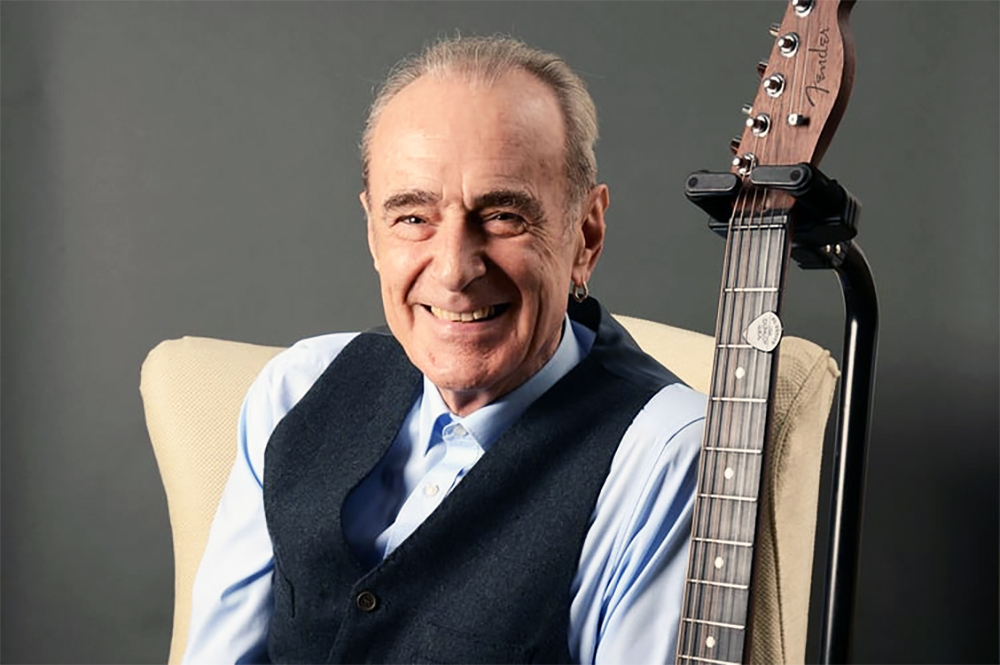
“I like the analogies, but probably neither. On this album, I used this black Slipstream guitar—carbon fiber with humbucker pickups. Everyone knows I’ve used a Telecaster since ’68 for that single-coil sound, and I like the shape, which I use for acoustics, but I’ve gone back to humbuckers. I started with humbuckers on ‘Pictures Of Matchstick Men.’ The only thing that’s changed is that I now use carbon fiber with Chinese humbucking pickups, and any true guitar player of my generation would be disgusted that I use a guitar like that. Acoustically, I love the idea of just strumming like the Everly Brothers and singing. There’s something very rewarding when you go back out on a stage and realize that you’ve improved.”
In my review, I mentioned Gestalt theory—the idea that the whole is greater than the sum of its parts. I believe this applies to rock music. The power of rock is the combined effect of drums, bass, electric guitar, and vocals; individually simple, but together a wall of sound. What do you think of this parallel?
“I think that’s very true. You can’t work out how, since the mid-60s with The Beatles, we keep getting more songs and bands that are basically in the same area. That’s why we have programs like ‘The X Factor’—they don’t know what the X Factor is, which makes a mockery of the program. We don’t know why Harry Styles, Adele, or Taylor Swift are as big as they are. We don’t know what it is that people like, but we keep trying to find and create it. That’s because, as you said, it’s the sum total of its parts. I’m asked if I would change things in theory. I might change things I’ve done, but then I wouldn’t be where I am now. Some people think if they change the bad things that happened to them, everything would be better. I think that’s a foolish assumption.”
Most artists use positive review quotes for promotion, but on Bandcamp, you cited a rare negative review that called some songs ‘horribly lame dead rock.’ You have nothing to prove. Does the criticism bother you?
“Yes, and no. You’d rather people like the music. But when I first became successful, I wanted world domination like The Beatles. I thought everybody liked you when you became successful. I learned early on that they don’t. You’re lucky if a few million people around the world like you; the rest of the planet probably doesn’t know you exist. And those who do know often don’t like you. The advent of social media—I call it antisocial media—allows people to make comments they wouldn’t make to your face. If someone dislikes what I’ve done on this record, that’s fine. There are other acts to listen to. I can only say I am very happy where I’ve gotten to, and that probably upsets them, but it doesn’t change the fact. I have a few years left before I go to my funeral, and I will make the best of them.”
You produced a new album with engineering and mixing by Andy Brook. What kind of sound were you looking for? As an audiophile, I look for the balance between authentic, analytical, and emotional sound. What were you aiming for?
“Andrew is an engineer. The mixing goes on between the two of us. We have a format that gets so far, and then we pay a lot of attention to detail – the vocal level, guitar volume, and so on. The mix gets adjusted continually. One of the joys of computers is that we were on those tracks last week, and they are exactly the same today, though I may slightly adjust them. I gave Andrew credit for co-production because we discuss everything in the studio. I respect his opinion, but in the end, it comes down to me.”
The last question concerns the iconic partnership you had with Rick. What do you miss most about your relationship?
“What do I miss about him? The person I knew when we were in our 20s. That’s the Rick I knew when he was still happy and things were enough for him. It got very difficult, so I miss the person I knew in my early 20s. Now I have to go swim, young man.”
Line-up:
Francis Rossi – voce, chitarra, piano, tastiere
Hiran Ilangantilike – chitarra
Andy Brook – tastiere, organo, chitarra
John “Rhino” Edwards – basso
Jules Eccleston – basso
Leon Cave – batteria
Amy Newhouse-Smith – cori
Fursey Rossi – cori
Discografia:
King Of The Doghouse (1996)
One Step At A Time (2010)
We Talk Too Much (2019)
The Accidental (2026)
Per maggiori informazioni, qui la pagina Facebook della band.

Articoli Correlati

 Netgate ADV