
DEMON HEAD – L’eleganza della tragedia

I danesi Demon Head, inventori del diabolic rock, sono una band in continua crescita ed evoluzione e con la loro ultima fatica ci invitano a entrare in un mondo tetro e teatrale, ricco di emozioni angoscianti e consapevolezza. Il loro quarto album in studio ‘Viscera‘, primo edito da Metal Blade, ha mostrato un gruppo significativamente lontano dal sound doom dei primi lavori e sempre più indirizzato verso un dark rock magico ma spietato, dai brani intrisi di sincerità e malinconia. Abbiamo raggiungo il cantante Marcus Ferreira Larsen per scambiare quattro chiacchiere sul disco, sullo stato attuale della band e sulle varie tematiche dietro la loro affascinante ultima release. Buona lettura.
(Please scroll down for the English version)
Ciao Marcus, come stai? Come vanno le cose in Danimarca al momento?
“[Marcus Ferreira Larsen] Ciao Terry, grazie per esserti messa in contatto con noi. Sto bene. Il Covid-19 e le difficoltà nel trovare un lavoro mi hanno spinto a registrare, mixare e masterizzare musica a tempo pieno, cosa che non avrei mai pensato fosse possibile fare. Quindi, anche se tutto ciò che riguarda la band è più o meno in sospeso, non posso lamentarmi affatto. Anche la Danimarca si sta lentamente riaprendo e sembra avere i contagi più o meno sotto controllo. Ci sono certamente molti posti o situazioni che potrebbero essere peggiori, quindi aspettiamo pazientemente.”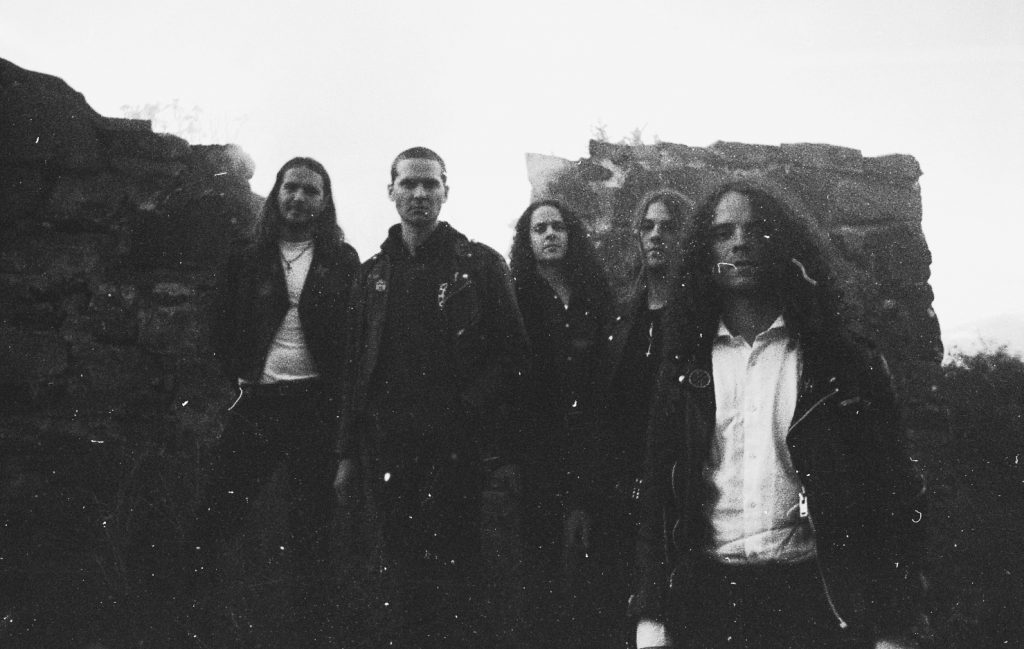
Il nuovo album ‘Viscera’ è un viaggio magico e sincero attraverso le emozioni più oscure. Puoi parlarci dei temi e del messaggio che c’è dietro?
“‘Viscera’ è nato da un periodo di turbolenza e volatilità sia nella mia vita personale che in quella della band. Le canzoni sono diventate una sorta di catarsi per far si che riuscissimo a superare la depressione e la distanza, un modo per immergerci nelle crisi e raggiungere un nuovo stato di consapevolezza della vita e dell’importanza del sostegno reciproco. In breve, i testi trattano di come andare avanti di fronte all’insensatezza, sia a livello individuale che a livello sociale o culturale. Per me sono piccoli capitoli tessuti insieme per dipingere un quadro più grande. È sicuramente il nostro lavoro più personale, dove i testi hanno a che fare con la delicata politica dell’esistenza, della tragedia e della speranza. Scaviamo nel funzionamento più intimo delle nostre macchine di carne, per scoprire una piccola parte del cosmo che abitiamo.”
‘Viscera’ contiene alcuni episodi strumentali, cupi e atmosferici, che aiutano a dare al disco un’aria molto teatrale. Quanto è importante ascoltare i brani nell’ordine particolare in cui ce li avete presentati?
“Abbiamo sempre scritto gli album pensando all’insieme coerente – ascoltando un LP dalla prima canzone del lato A all’ultima del lato B. Gli strumentali sono per me piccoli passaggi, immagini di paesaggi o scene che alludono al funzionamento più ampio della narrazione che le canzoni raccontano in modo più diretto. Leggo molti racconti e raccolte, e per me questi brani strumentali sono frammenti di capitoli che danno indizi o sono segnali nella narrazione e nell’universo più ampio in cui invitiamo gli ascoltatori. Non so se funziona così bene sulle piattaforme di streaming digitale dove le playlist e i singoli sono “royalty”, ma ad essere onesti, questo non è un problema.”
Questa è la vostra prima release su Metal Blade. È cambiato qualcosa nel vostro modo di lavorare e nel modo in cui il disco è stato prodotto?
“In realtà il processo che avevamo immaginato per l’album non è cambiato, dato che abbiamo firmato con la Metal Blade solo quando il disco era nella fase finale di masterizzazione. Per ogni album abbiamo ambizioni più alte e visioni più vivide e ‘Viscera’ è stato a lungo immaginato come un disco più profondo e dal suono più chiaro dei precedenti. La Metal Blade, comunque, è stata un ottimo partner, e credo che faciliterà il processo di evoluzione del nostro sound, portandolo ancora di più verso la nostra attuale stella polare.”
Il vostro sound è cambiato e si è evoluto significativamente da ‘Ride The Wilderness’. Cosa vi ha spinto verso un percorso più dark rock?
“Penso che il cambiamento sia avvenuto naturalmente, e molto gradualmente. Anche su ‘Ride The Wilderness’ c’erano elementi oscuri e una strumentazione che andava oltre il normale gruppo rock, ma volevamo scavare più a fondo nell’oscurità. Si sposta a seconda dei tempi, del nostro stato d’animo. Il linguaggio tonale si evolve nel tempo, e a volte lo fa fuori dal nostro controllo.”
La vostra formazione non è mai cambiata dall’inizio del vostro viaggio nel 2012, nonostante la forte evoluzione, il che è alquanto sorprendente. Qual è il vostro segreto?
“Mi sento molto fortunato ad avere ancora tutti i miei buoni amici insieme in questa band. Il segreto potrebbe essere la pazienza l’uno con l’altro, imparare dagli errori, e soprattutto: fare musica per noi stessi, sempre, prima che per chiunque altro. È stato difficile capire come potevamo rimanere insieme a volte, come credo capiti a tutti. Ma questa è più di una band per raggiungere qualche obiettivo di materiale o status, per noi si tratta di un progetto di vita. Andrà avanti finché condivideremo la comunità e l’amore che abbiamo. L’anno prossimo sarà il nostro decimo anno insieme!”
Quali erano le band che consideravi la tua principale influenza quando hai iniziato? E come sono cambiate da allora?
“All’inizio volevamo suonare musica rock onesta e senza distorsioni, dove le melodie e le armonie fornivano un’oscurità senza il trucco e la superficie dietro cui pensavamo che molta musica si nascondesse. Volevamo arrivare alle radici del rock, scoprire da dove arrivassero oscurità e pesantezza, così abbiamo ascoltato molto la musica dark rock degli anni ’60 e ’70, il blues, il folk, l’heavy metal, prendendo spunti anche dall’hardcore punk e dal metal estremo. Abbiamo sempre avuto il dogma di non cercare di suonare come qualcun altro, e questo continua. Ma la nostra musica si è evoluta nel tempo, siamo cresciuti molto come musicisti, e oggi credo che ascoltiamo una gamma così varia di musica che ad alcune persone verrebbe il capogiro ascoltando un mixtape con le varie influenze dei Demon Head.”
L’album è stato registrato tra una remota casa di campagna in Svezia e i leggendari Sweet Silence Studios, e poi mixato da Martin ‘Konie’ Ehrencrona. Come è stato lavorare con Fleming Rasmussen e Konie?
“Lavorare con Flemming è stato bello e facile – è un ingegnere molto esperto e aveva le conoscenze tecniche per quello che volevamo fare, ossia la registrazione analogica. Ci sono voluti solo due giorni nel suo studio per registrare batteria e basso. La parte più importante della registrazione, per me, è sempre quando andiamo in isolamento lontano da tutto il resto per settimane o mesi finché non abbiamo finito di registrare noi stessi. È una sensazione di liberazione del proprio ego e scomparire nella musica. È qualcosa che abbiamo sempre fatto e che continueremo a fare. Konie è un grande mixer e ha capito abbastanza rapidamente il nostro modo idiosincratico di lavorare e i nostri desideri per il suono. Gli abbiamo mandato tutte le registrazioni da mixare e dopo un paio di mesi di tira e molla, era fatta. Penso che ‘Viscera’ sia il nostro lavoro più chiaro e dal suono più aperto fino ad oggi, senza perdere l’atmosfera degli album precedenti.”
Per i dischi precedenti avete fatto quasi tutto da soli. Come vi siete sentiti ad aprirvi e ad affidare a qualcun altro la cura di alcuni aspetti della vostra musica?
“È estremamente difficile per noi lasciare andare qualsiasi parte della realizzazione di un album. Significa davvero tanto per noi, e non credo che potremo mai pretendere da qualcun altro quello che pretendiamo da noi stessi… Impazzirebbero. Ma questa volta ha funzionato e abbiamo trovato un buon compromesso in cui l'”esternalizzazione” controllata di alcune parti del processo ci ha dato più energia per concentrarci sulla creatività senza arrivare a lavorare fino in fondo – come è successo alcune volte in passato. Impariamo continuamente come musicisti, arrangiatori, tecnici, produttori e artisti, e anche se ci vuole più tempo ed energia di qualsiasi altra band che conosco, penso che sia un’esperienza inestimabile di cui non farei a meno. Penso che il prossimo album sarà di nuovo nelle nostre mani.”
Come band, siete cresciuti esponenzialmente negli ultimi sei anni e immagino che i vostri sogni e obiettivi siano ora diversi e più grandi di prima. Cosa c’è nel futuro dei Demon Head? C’è un sogno che vorresti si realizzasse?
“Penso che i nostri obiettivi e sogni ora siano più realistici e concreti che mai. Vogliamo solo fare la musica che ci piace, pubblicare album quando sentiamo che è il momento, e viaggiare il più possibile per il mondo con qualsiasi successo limitato di cui godremo. La cosa più importante è la musica, la nostra amicizia, e rimanere fedeli a questa ragione per fare le cose. Tutto il resto è solo un (gradito) lusso.”
Avere un disco in uscita e non poterlo suonare dal vivo deve essere una tortura. Cosa ne pensi degli spettacoli in live streaming e come vedi il prossimo anno (o i prossimi) di musica dal vivo?
“Avevamo concordato quasi un anno di pausa dal vivo prima che iniziasse la pandemia, quindi penso che fossimo abituati a stare fermi quando il mondo si è bloccato. Dato che viviamo in tre paesi diversi, i live stream o gli spettacoli su internet non sono proprio una possibilità – al momento, speriamo solo sia possibile riunirci in un posto e suonare insieme in un prossimo futuro. Aspettiamo pazientemente qualche possibilità, e speriamo di essere in grado di suonare il nostro release show in programma a Copenhagen in agosto. La musica dal vivo è una delle cose più importanti per me, ma è anche un lusso quando le famiglie sono separate e la gente muore a migliaia. Quando ci saranno di nuovo le condizioni giuste, penso che la gente ne avrà sentito la mancanza e forse la apprezzerà più di prima. Oppure i gruppi rock diventeranno lentamente obsoleti, scomparendo dalla superficie del mainstream o dell’industria musicale, dove forse non erano mai stato destinate ad essere comunque.”
C’è altro che vuole aggiungere per i lettori di Loud and Proud Italy?
“Grazie per aver fatto un passo nel nostro mondo. Siamo onorati del vostro supporto. Abbiate cura di voi.”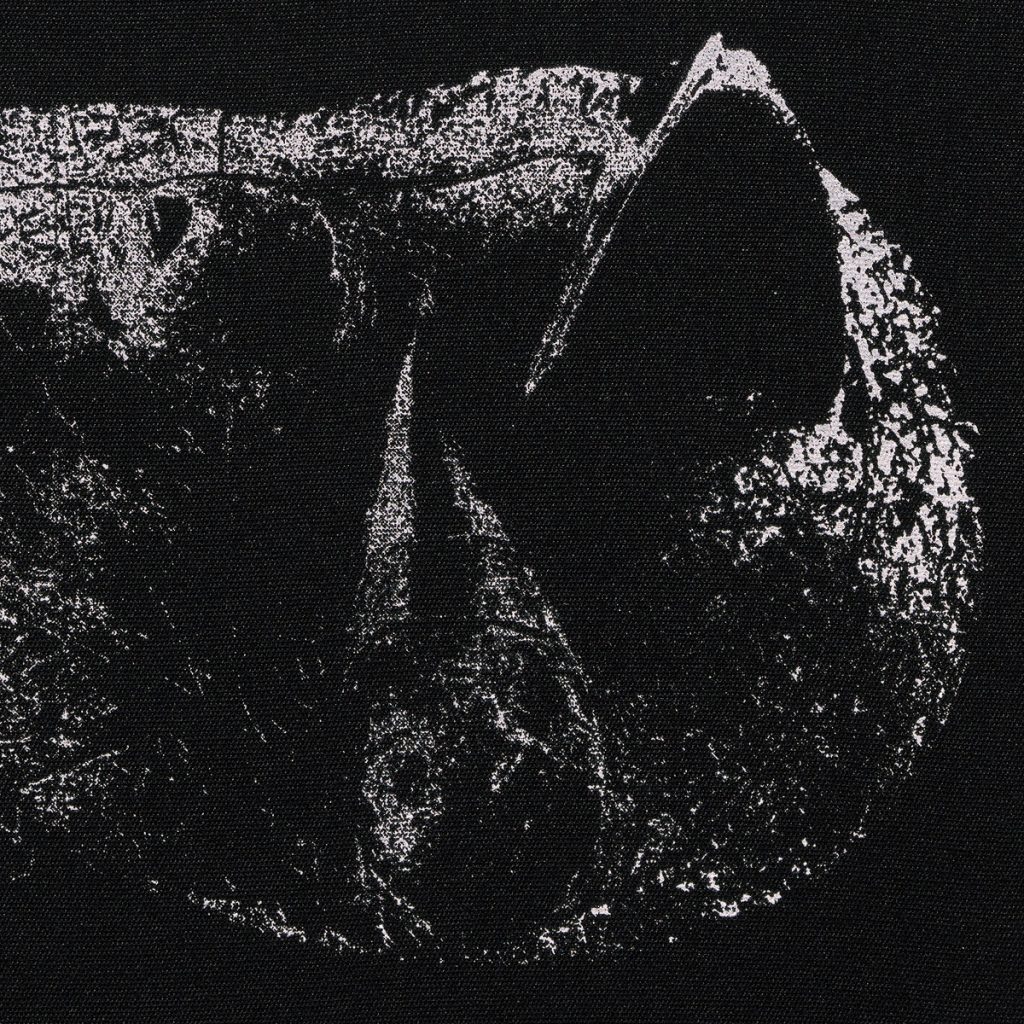
Discografia:
Ride The Wilderness (2015)
Thunder On The Fields (2017)
Hellfire Ocean Void (2019)
Viscera (2021)
Line-up:
Marcus Ferreira Larsen – voce
Birk Gjerlufsen Nielsen – chitarra
Thor Gjerlufsen Nielsen – chitarra
Mikkel Fuglsang – basso
Jeppe Wittus – batteria
Per maggiori informazioni, qui la pagina Facebook della band.
ENGLISH VERSION / Interview with Demon Head
Hi Marcus. First of all, how are you? How is Denmark at the moment?
“[Marcus Ferreira Larsen] Hello Terry, thanks for getting in touch with us. I’m well. Covid-19 and difficulties in finding a job pushed me into full-time recording, mixing and mastering music, something I never thought it would be possible to live off. So even if everything band related is more or less on hold, I cannot complain at all. Denmark is also slowly opening up again and seems to have the contagion more or less under control.”
The new release ‘Viscera’ is a magical and heartfelt journey through the darkest emotions. Can you tell us about the themes and message behind it?
“‘Viscera’ came out of a time of turbulence and volatility in my personal life and in the band. The songs became a kind of catharsis for us to work through depression and distance, a way to dive into the crises and reach a new state of awareness of life and the importance of mutual support. In short, the lyrics deal with how to go on in the face of meaninglessness, both on an individual level and a social or cultural level. To me they are little chapters woven together to paint a larger picture. It is definitely the most personal but, at the same time, the lyrics have also dealt with the subtle politics of existence, of tragedy, and of hope. We dig into the innermost workings of our fleshy machines to uncover a tiny part of the cosmos we inhabit.”
‘Viscera’ contains some gloomy and atmospheric instrumental episodes that help give a theatrical atmosphere to the record. How important is listening to the tracks in the particular order you presented them to us?
“We have always written albums with the coherent whole in mind – listening to an LP from the first song on side A to the last one on side B. The instrumentals are for me little passages, pictures of landscapes or scenes that hint to the larger workings of the narrative that the songs account in a more direct manner. I read a lot of short stories and collections, and to me, these instrumentals are chapter fragments that give clues or are signposts in the narrative and the larger universe we invite listeners into. I don’t know if it works that well on the digital streaming platforms where playlists and singles are royalty, but to be honest, that’s not really a concern.”
This is your first release on Metal Blade. How has this changed your way of working and the way the record was produced?
“Actually it didn’t change the process we had imagined for the album, as we only signed to Metal Blade once the record was in the final stage of mastering. We have higher ambitions and more vivid visions for every album, and ‘Viscera’ was long envisioned as a deeper, clearer-sounding album than the previous ones. Metal Blade, however, have been very good partners, and I trust that they will facilitate the process of evolving our sound further towards our current leading-star.”
Your sound has changed and evolved significantly since ‘Ride The Wilderness’. What made you shift towards a more dark rock path?
“I think the shift came naturally, and very gradually. Even on ‘Ride The Wilderness’ there were dark elements and instrumentation beyond the normal rock band, but we did want to dig deeper into the darkness. It shifts with the times, with our own state of mind and how the tonal language evolves over time – sometimes out of our control.”
Your line-up hasn’t changed since the beginning of your journey in 2012, despite your evolution, which is quite surprising. What is your secret?
“It feels very lucky to still have all of my good friends in this band together. The secret might be patience with one another, learning from mistakes, and most importantly: making music for ourselves, always, before it is for anyone else. It has been difficult to see how we could keep together at times, as I guess it is for everyone. But this is more than a band to achieve some goal of material or status, it’s a life project that is for us. It will go on as long as we share the community and love what we do. Next year will be our 10th year together!”
What were the bands that you considered your main influence when you started off? And how have these changed since then?
“In the beginning, we wanted to play honest rock music without distortion, where the melodies and harmonies provided a darkness without the makeup and surface that we felt a lot of music hid behind. We wanted to get to the roots of rock, discover where the darkness and heaviness came from, so we listened a lot to ’60s and ’70s dark rock music, blues, folk, heavy metal, taking our clues from previous efforts with hardcore punk and extreme metal. We have always had a dogma not to try to sound like anyone else, and this continues. But our music has evolved over time, we have grown a lot as musicians, and today I think we listen to such a diverse array of music that some people would get dizzy from mixtape with all Demon Head influences.”
The album has been recorded between a remote country house in Sweden and the legendary Sweet Silence Studios, and then mixed by Martin ‘Konie’ Ehrencrona. How was working with Fleming Rasmussen and Konie?
“Working with Flemming was good and easy – he’s a very experienced engineer and had the technical knowledge for what we wanted to do, which is analog recording, so it took only two days in his studio to record drums and bass. The most important part of recording, for me, is always when we go into isolation away from everything else for weeks or months until we are done recording ourselves. It is a feeling of shedding your ego and disappearing into the music. It’s something we have always done and will continue to do. Konie is a great mixer, and he pretty quickly understood our idiosyncratic way of working and wishes for sound, so we sent all the recordings for him to mix, and after a couple of months of back-and-forth, it was done. I think Viscera is our clearest, most open-sounding work to date, without losing the atmosphere of previous albums.”
For the past records, you have done mostly everything by yourself. How did it feel opening up and entrusting someone else with taking care of some aspects of your music?
“It is extremely hard for us to let go of any part of making an album. It means so much to us, and I don’t think we can ever demand from anyone else what we demand from ourselves… They would go crazy. But it worked this time, and we found a good compromise where controlled “outsourcing” of some parts of the process gave us more energy to focus on creativity without getting worked to the bottom – as has happened some times before. We learn all the time as musicians, arrangers, technicians, producers and artists, and although it takes more time and energy than any other band I know, I think it is an invaluable experience that I wouldn’t be without. I think the next album will be more in our own hands again.”
As a band, you’ve grown exponentially over the past six years and I imagine your dreams and goals must now be different and bigger than before. What’s in the future of Demon Head? Is there a dream you have that you’d wish to come true?
“I think our goals and dreams now are more realistic and down-to-earth than ever before. We just want to make music that we enjoy, release albums when we feel it’s time, and travel as much of the world as possible with whatever limited success we will enjoy. The most important things are music, our friendship, and that we remain true to this reason for doing things. Everything else is just a (welcome) luxury.”
Having a record out and not being able to play it live must be torture. What do you think of live streaming shows and how do you see the next year(s) of live music?
“We had agreed on almost a year of live pause before the pandemic began, so I think we were used to laying low when the world was paralysed. As we live in three different countries, live streams or internet shows are not really a possibility – right now, we just hope that it will be possible to gather in one place and play music together sometime in the foreseeable future. We patiently wait for some possibility, and hopefully will be able to play our release show in Copenhagen in August. Live music is a one of the most important things to me, but it is also a luxury when families are separated and people die in the thousands. When the conditions are right again, I think people will have missed it and maybe value it more than before. Or rock bands will slowly become obsolete, disappearing from the surface of the mainstream or music industry, where, maybe, they were never meant to be anyway.”
Anything else you’d like to add for the readers of Loud and Proud Italy?
“Thank you for taking a step into our world. We are humbled by your support. Take care.”
Discography:
Ride The Wilderness (2015)
Thunder On The Fields (2017)
Hellfire Ocean Void (2019)
Viscera (2021)
Line-up:
Marcus Ferreira Larsen – voce
Birk Gjerlufsen Nielsen – chitarra
Thor Gjerlufsen Nielsen – chitarra
Mikkel Fuglsang – basso
Jeppe Wittus – batteria

Articoli Correlati
 Netgate ADV